
Identity — what it is
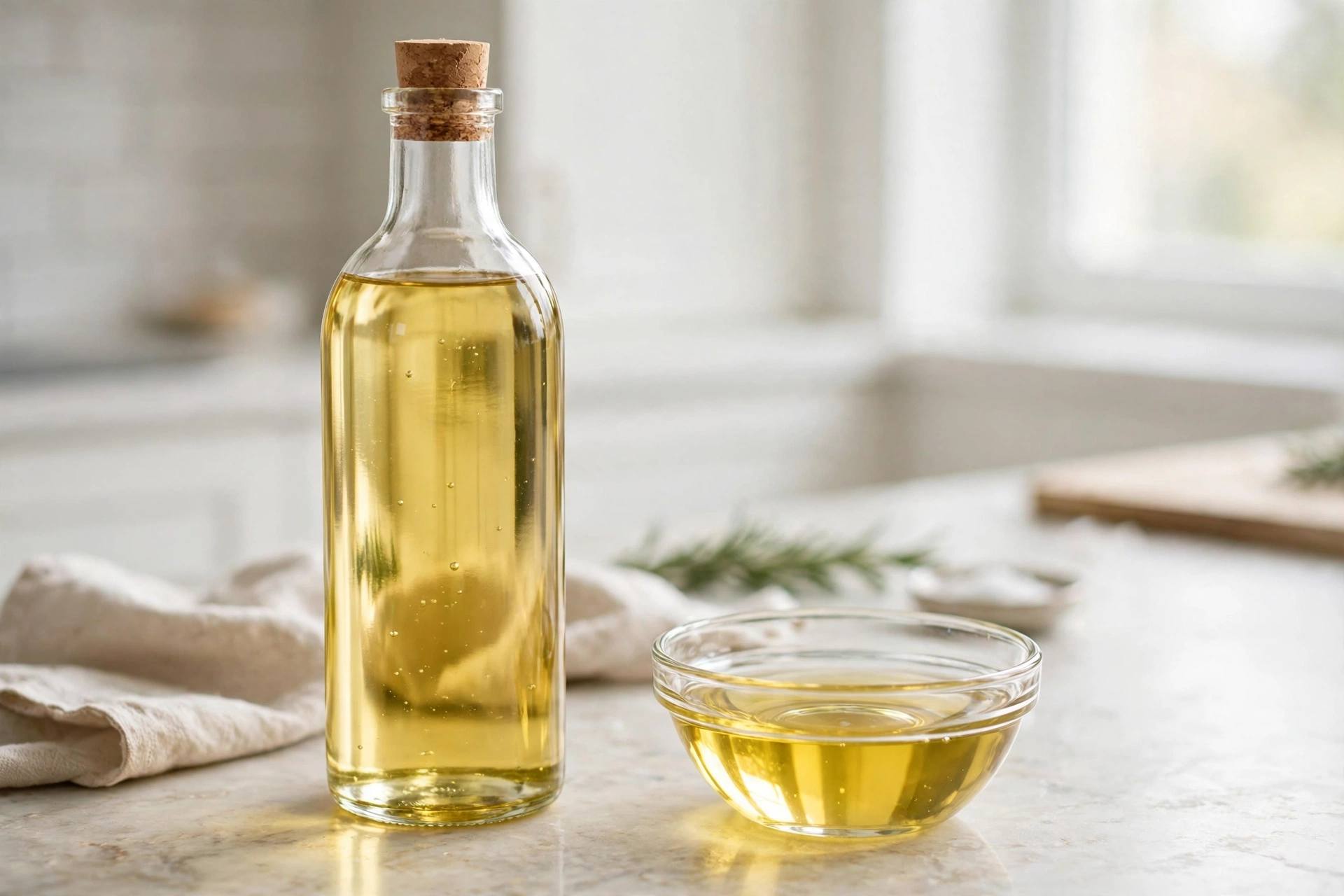
Neutral oil — dầu ăn in Vietnam — is any refined cooking oil with no discernible flavor of its own: vegetable oil, canola, refined peanut, or grapeseed. Refining strips out the compounds that give unrefined oils their taste and aroma, leaving a clean, high-heat workhorse. It is the oil behind the wok, not the oil behind the flavor.
Taste — flavor profile
By design, neutral oil tastes like almost nothing — and that is the point. It carries heat to food without adding its own character, so the aromatics, sauces, and caramelization do all the talking. Unrefined oils like extra-virgin olive oil or toasted sesame oil bring their own flavor and lower smoke points; neutral oil stays out of the way at the high temperatures stir-frying demands.
In the Kitchen — how it’s used in pan-Asian cooking
Neutral oil does the heavy lifting in hot cooking. It is what you heat in the wok until it shimmers before searing the beef cubes for bò lúc lắc, where high heat and a slick pan are what build the crust. It shallow-fries the turmeric crepes for bánh xèo until their edges turn lacy and crisp. Across Chinese, Thai, and Vietnamese stir-fries, it is the medium that blooms garlic, ginger, and chilies in the first seconds of cooking, carrying their fragrance through the whole dish.
Buying — how to choose at the store
Any bottle labeled “vegetable oil” or canola oil from a mainstream brand does the job; they are interchangeable for high-heat cooking. Refined peanut oil is the traditional wok choice in much of Chinese cooking and has a high smoke point, though it costs more. Check that the bottle says refined — “cold-pressed” or “unrefined” versions of the same oil have lower smoke points and stronger flavors. Buy in sizes you will use within a few months.
Storage
Keep it in a cool, dark cupboard away from the stove — heat and light are what turn oil rancid. A sealed bottle keeps about a year; once opened, try to use it within a few months. If it smells waxy, crayon-like, or stale, or pours sticky, it is past its prime and will make food taste off. Do not store large jugs next to the range for convenience; the daily heat cycling shortens their life.
Substitutes — 2-3 substitutes with brief context each
- Refined peanut oil — the classic wok oil: neutral, high-heat, and traditional in Chinese cooking. The closest thing to an upgrade rather than a swap.
- Grapeseed oil — clean and light with a high smoke point; a fine one-for-one stand-in for stir-frying and searing.
- Canola oil — affordable and truly neutral; if your bottle says “vegetable oil,” it is often canola or soybean anyway. Any of these three covers the others in hot cooking.