How to Use Rice Paper Without Tearing
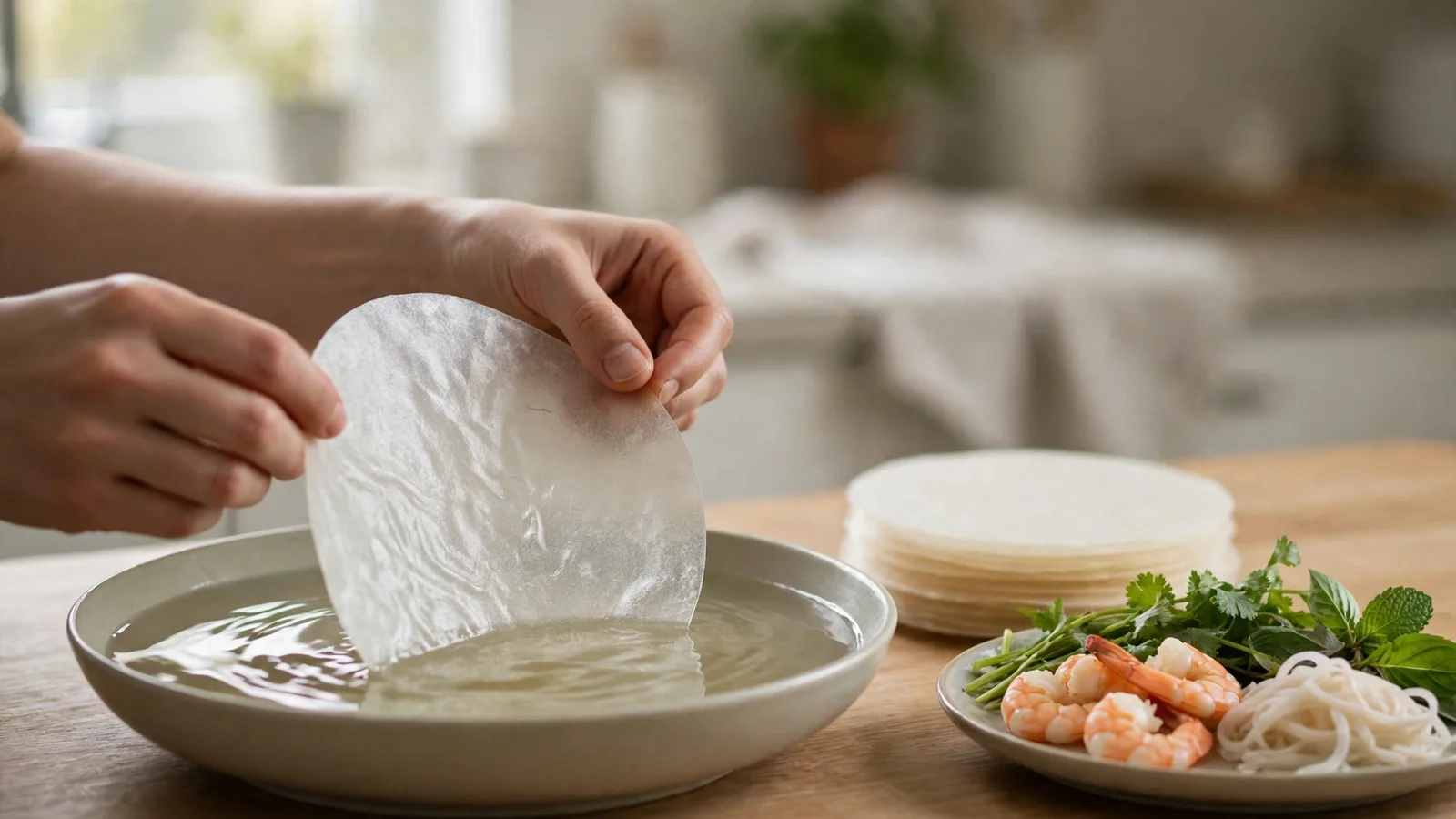
Rice paper tears when it soaks too long or carries too much filling. This guide shows the 5-second dip, the board that works, and the roll that holds.

Rice paper tears when it soaks too long or carries too much filling. This guide shows the 5-second dip, the board that works, and the roll that holds.

Wonton and gyoza wrappers tear when they dry out or get overfilled. Learn the filling amount, the water seal, and the folds that hold, plus a fix for each tear.

Coconut milk splits when it boils hard or meets lime juice too soon. How to keep it smooth in curries, fix a sauce that broke, and pick the right can.
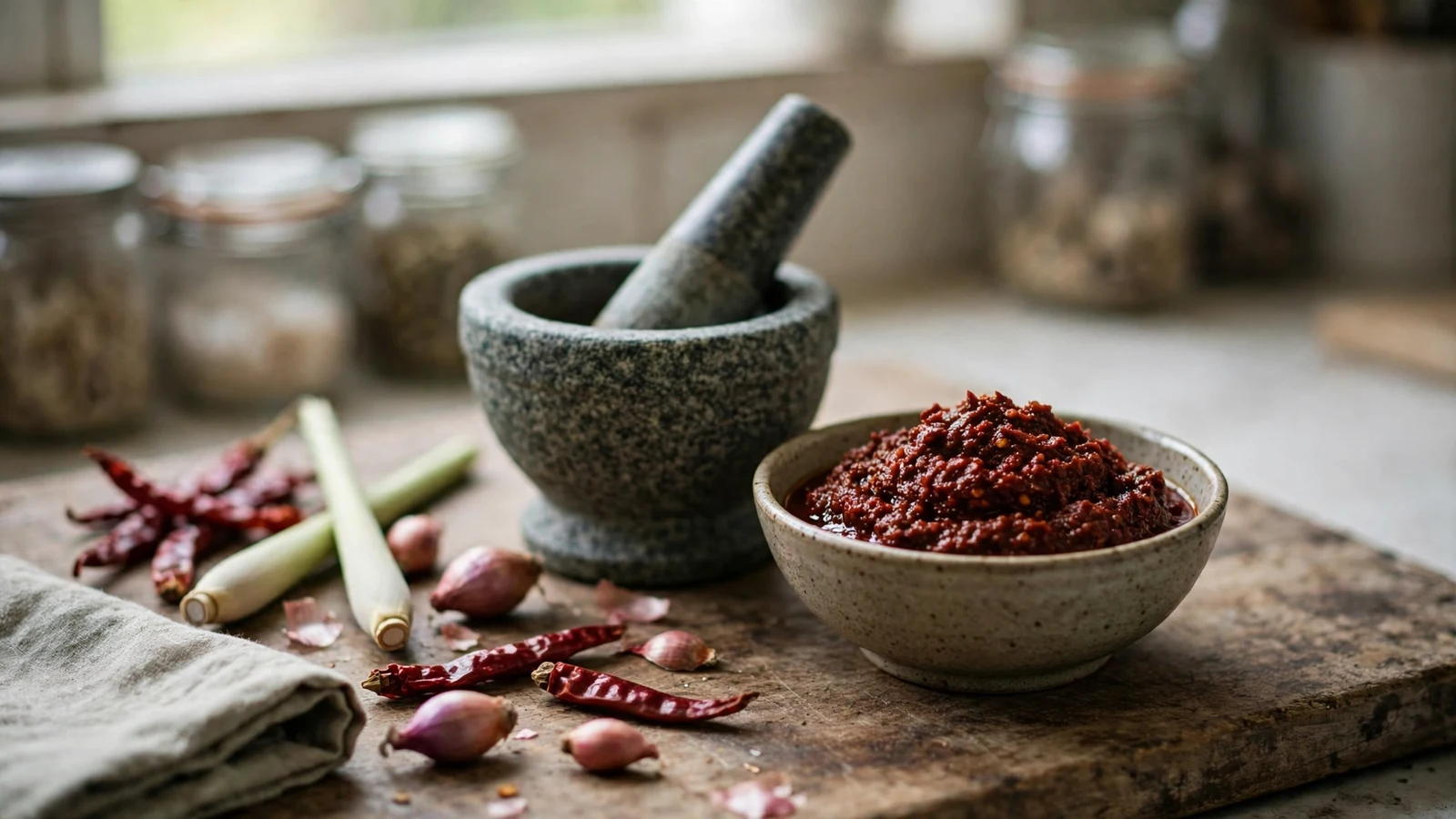
Homemade Thai curry paste beats the jar: fresh lemongrass, galangal, and dried chilies pounded into a paste that fries into a fragrant curry. Ratios and steps.
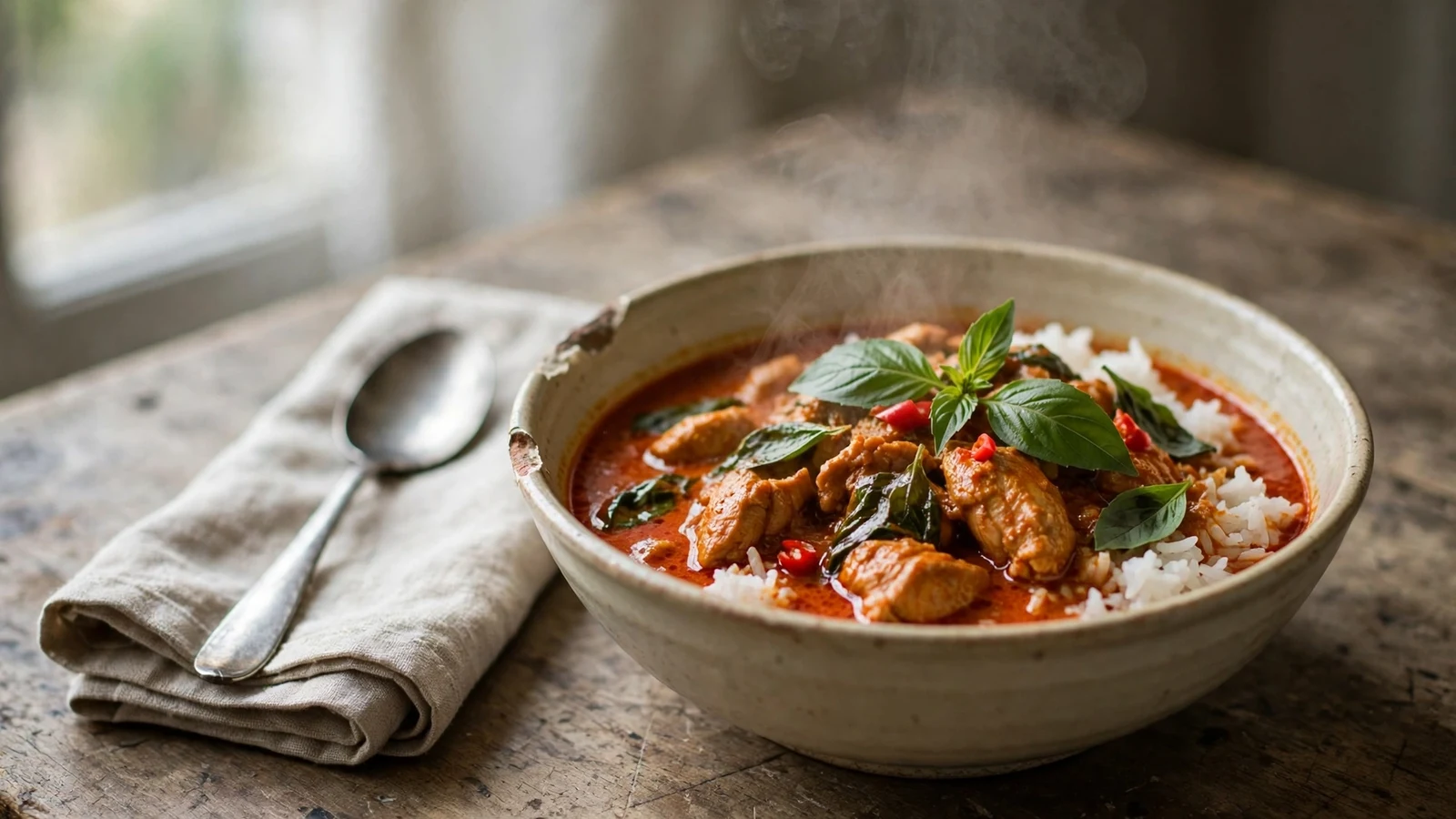
Leftover curry keeps 3 to 4 days in the fridge and 2 to 3 months in the freezer. Learn how to cool, portion, freeze, and reheat it so the sauce stays smooth.
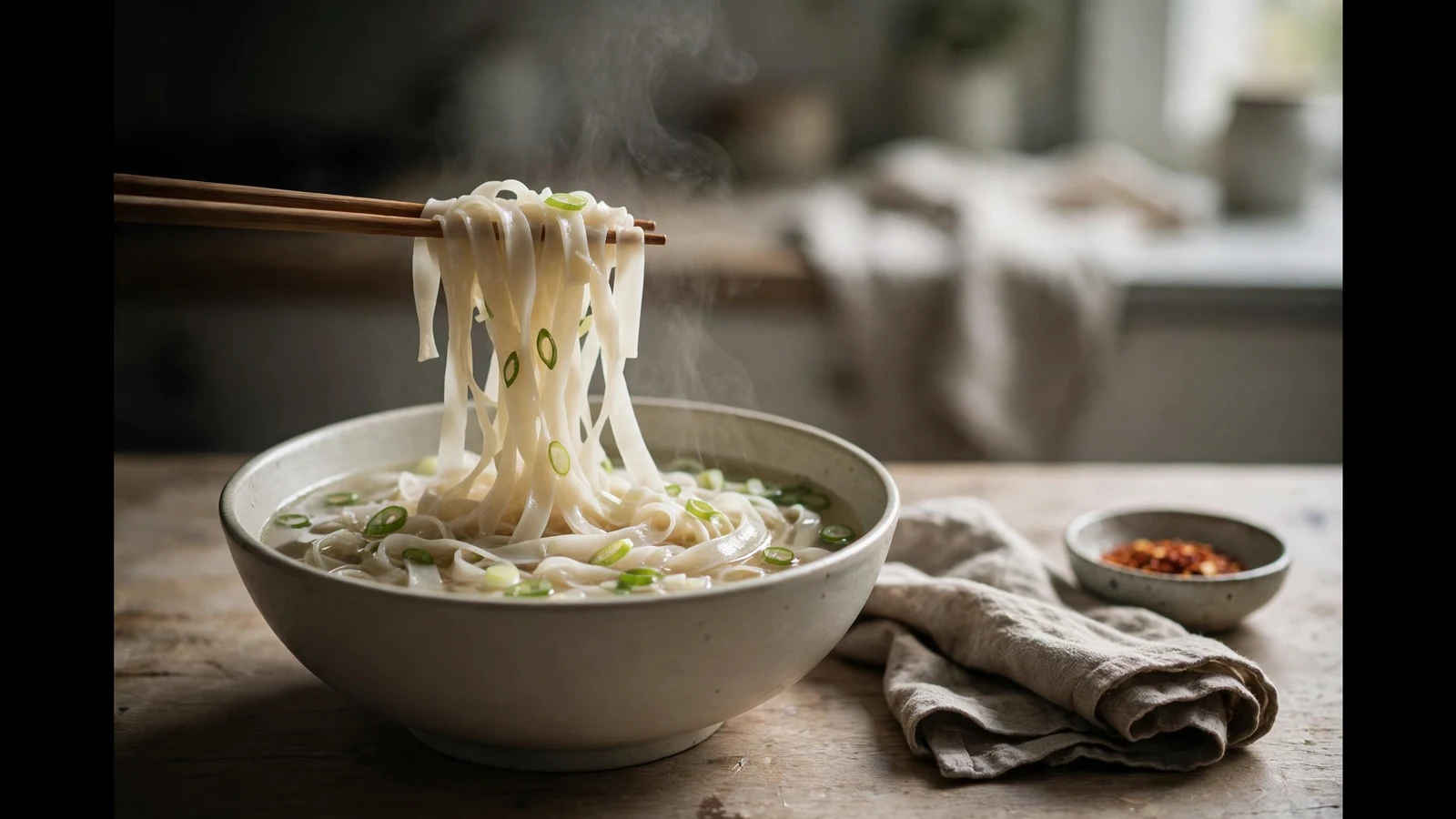
Dried rice noodles go mushy fast when the soak runs long or the water is too hot. Get soak and boil times for flat, thin, and vermicelli noodles, plus fixes.

Soy sauce vs tamari: how they differ in flavor, salt, wheat, and cooking use, plus when to swap one for the other and the ratio that works in a marinade.

Fresh chilies, hot vinegar brine, and a clean jar are all you need for pickled chilies at home. Learn the brine ratio, best chili types, and safe storage times.
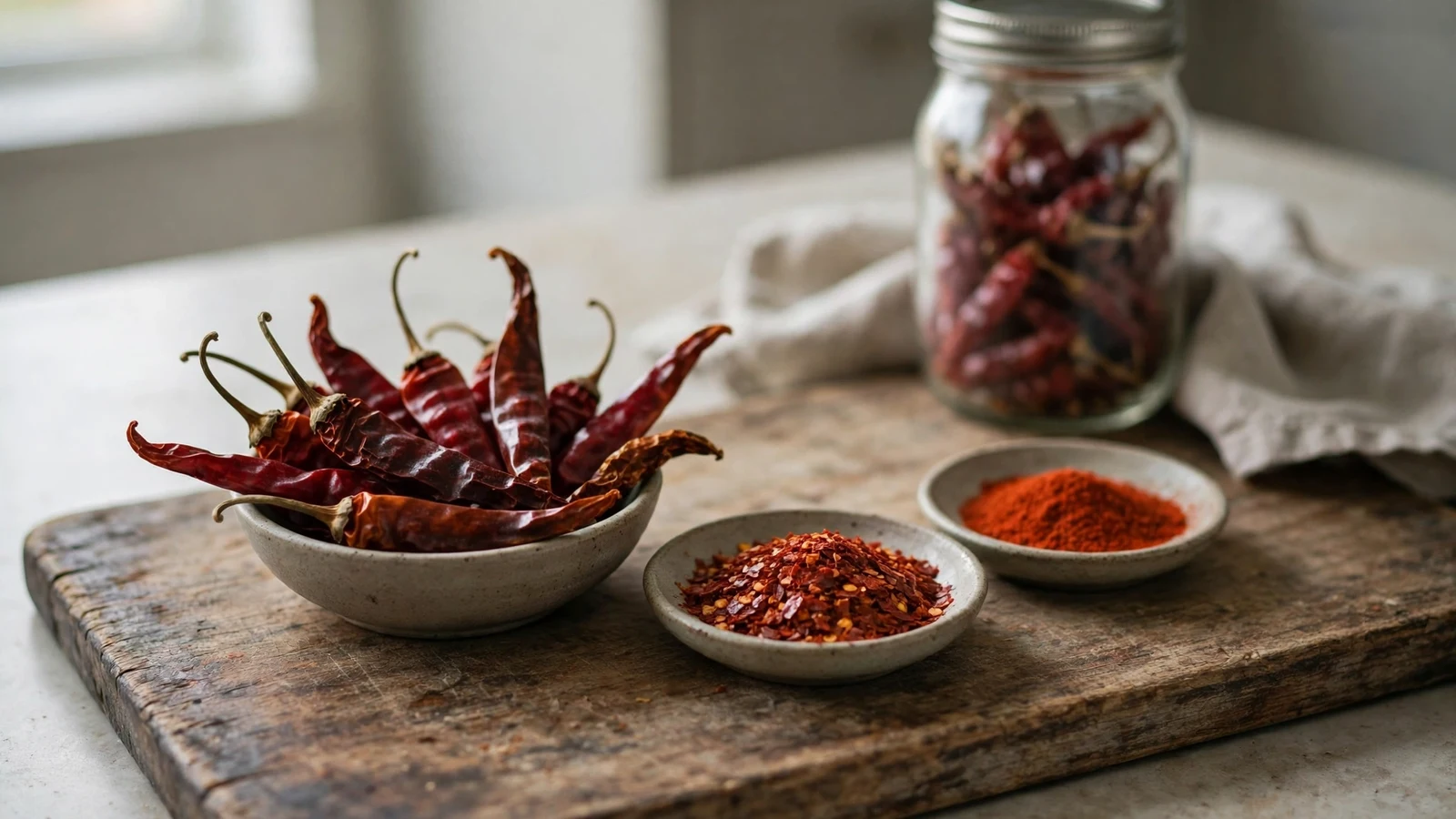
Dried chilies bring deeper, rounder heat than fresh ones, but only when you toast, soak, and seed them right. Types, toasting, and storage for Asian cooking.

No mortar and pestle? Use a spice grinder, a knife flat, a mug, or a rolling pin instead. Match the tool to the job: dry spices, pastes, garlic, and herbs.