Oi Sobagi: Korean Stuffed Cucumber Kimchi

Oi sobagi stuffs salted cucumbers with garlic chives, carrot, and a gochugaru paste for a crisp, spicy Korean side dish that is ready the same day at home.

Oi sobagi stuffs salted cucumbers with garlic chives, carrot, and a gochugaru paste for a crisp, spicy Korean side dish that is ready the same day at home.

Tteokguk pairs chewy sliced rice cakes with a clear beef broth, shredded beef, egg ribbons, and seaweed. Learn the soak and timing that keep it clear.
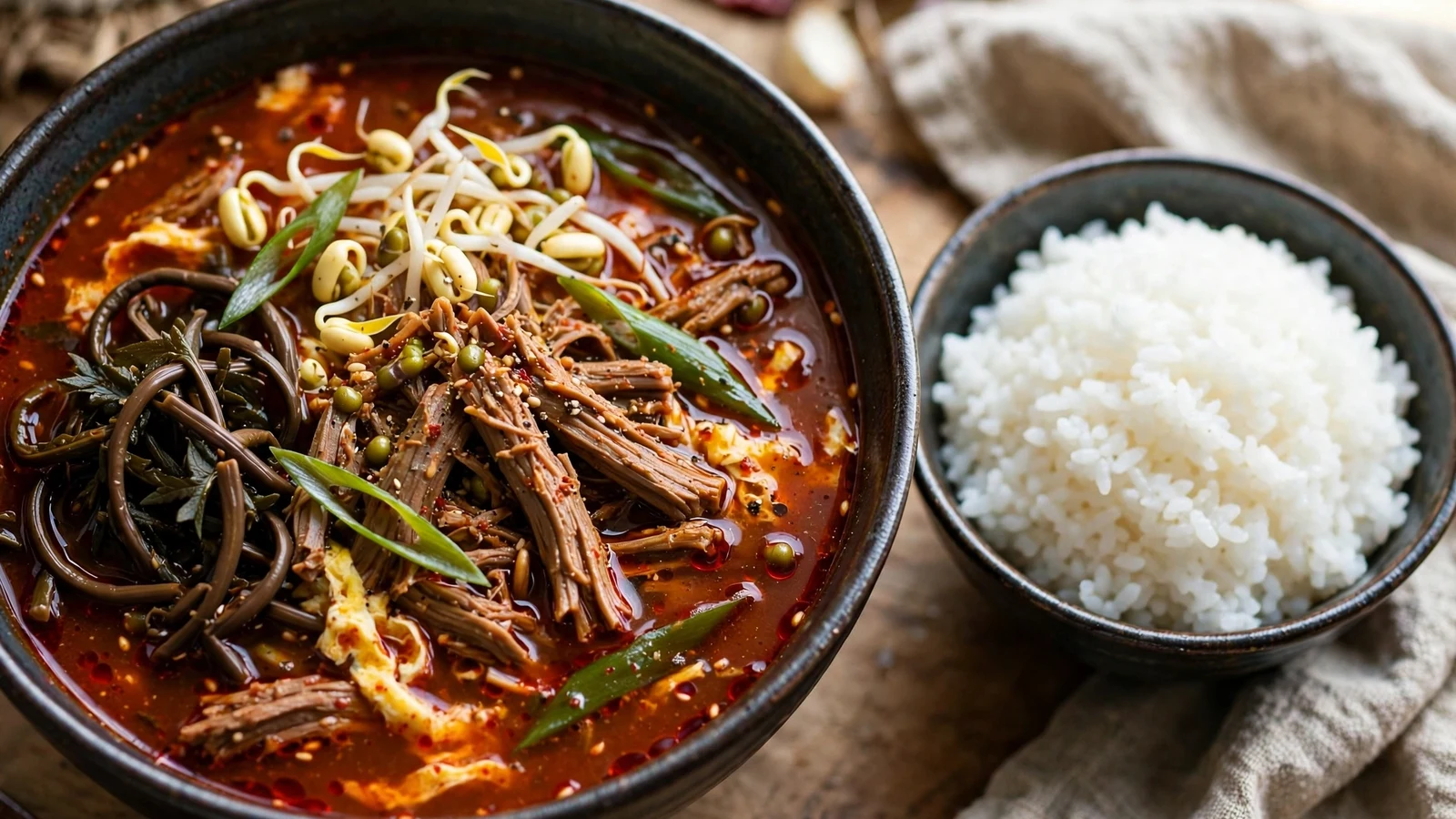
Yukgaejang pairs shredded brisket with gosari, bean sprouts, and scallions in a gochugaru broth, with the simmer, shred, and seasoning steps for tender beef.

Dakbokkeumtang is bone-in chicken braised in gochujang sauce with potatoes and carrots until tender, with exact sauce amounts, heat control, and potato timing.

Bibimbap is a warm rice bowl mixed with vegetables, meat, and gochujang; kimbap is a seaweed rice roll, sliced and eaten at room temperature. Compare both.

Jjamppong is a Korean spicy seafood noodle soup: shrimp, squid, and mussels in a red gochugaru broth over thick noodles, with firm noodles and tender seafood.
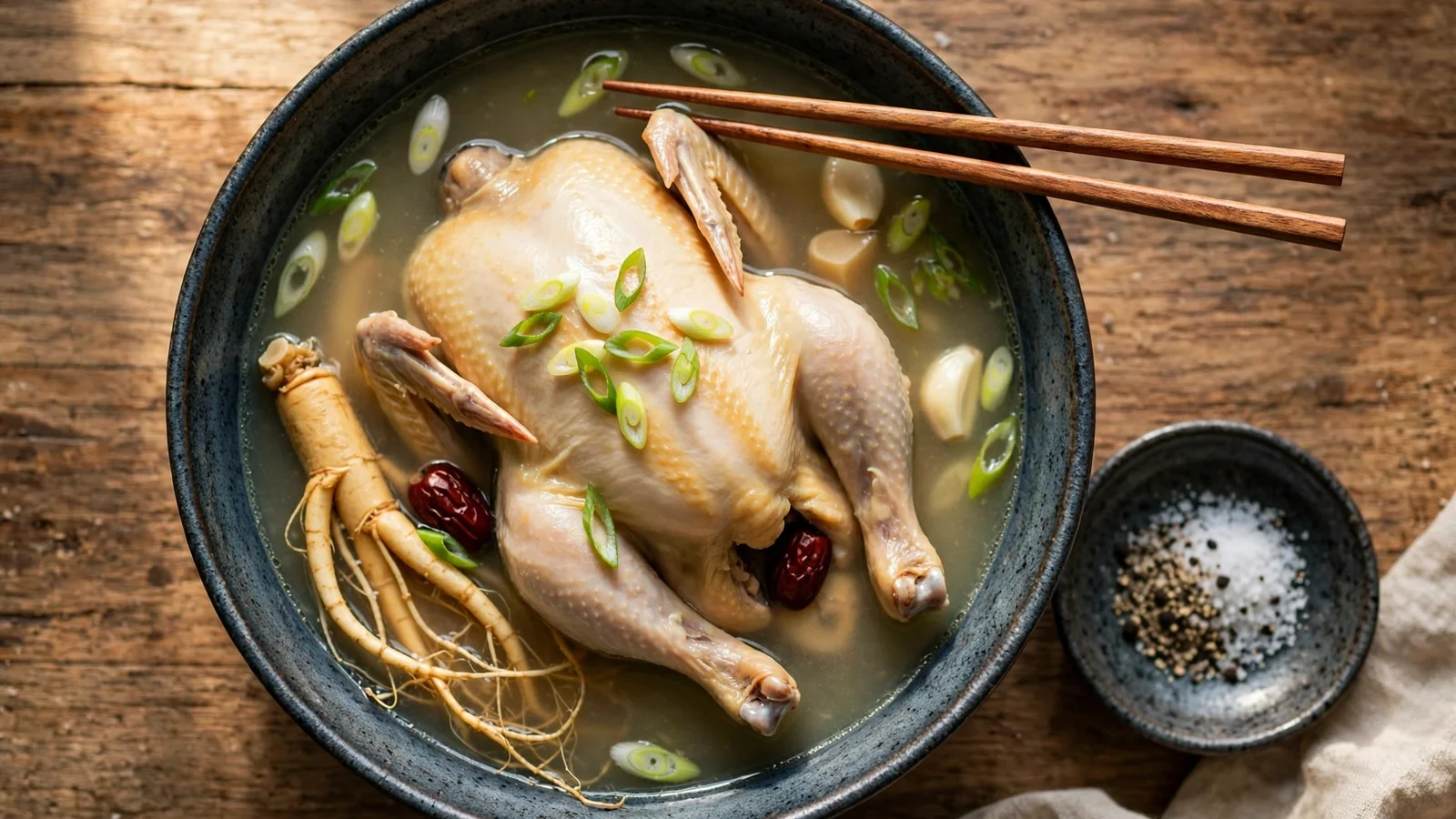
Samgyetang is Korean ginseng chicken soup: a small whole chicken stuffed with glutinous rice, garlic, and jujubes, simmered until tender in a light broth.

Korean galbi is flanken-cut beef short ribs in a soy, Asian pear, and sesame marinade, grilled fast until charred and served with rice and lettuce wraps.

Ojingeo bokkeum tosses scored squid with onion, carrot, and scallions in a sweet-spicy gochujang sauce. On the table in 30 minutes, best over steamed rice.
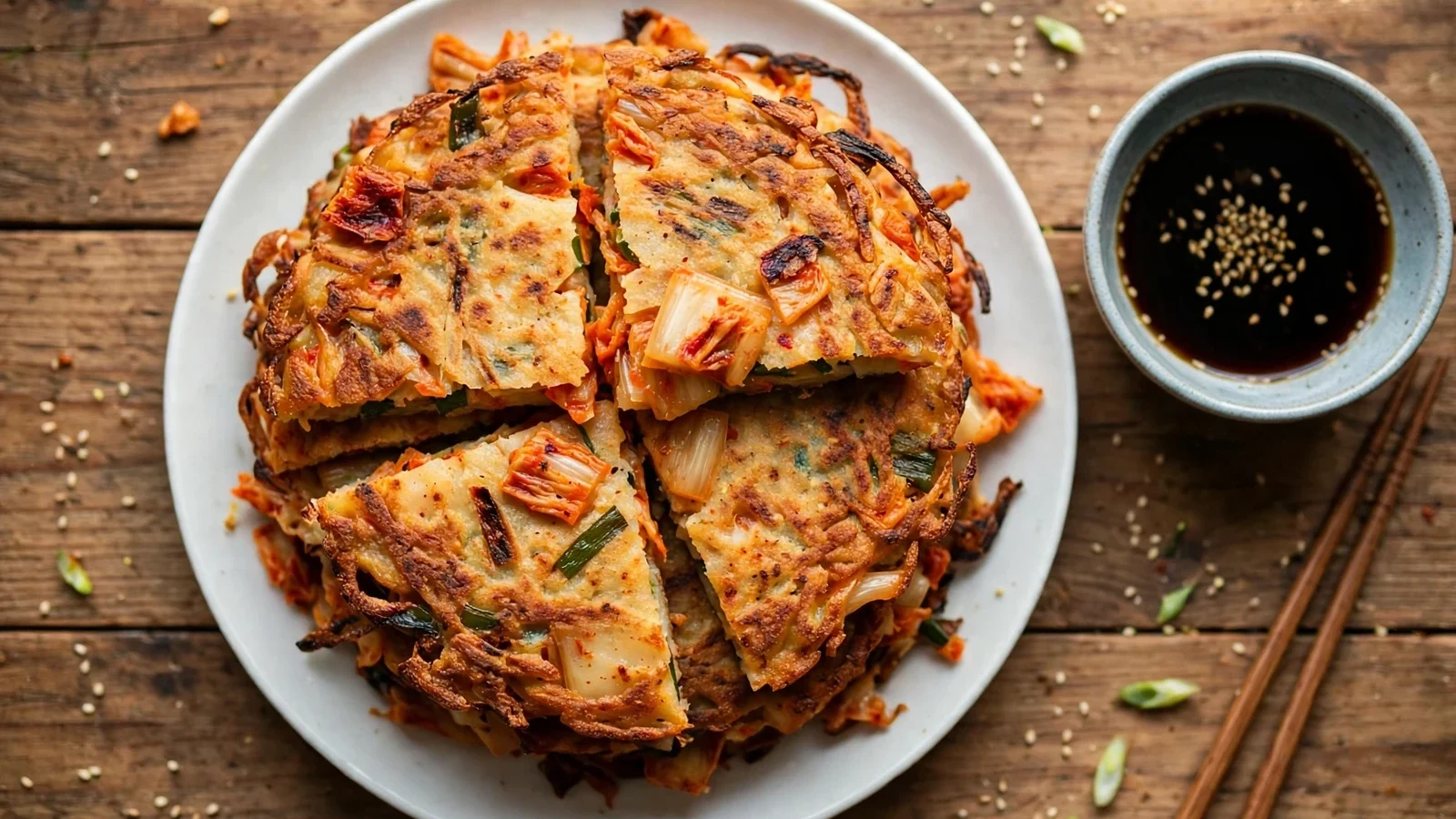
Kimchijeon is a crisp Korean pancake of chopped kimchi in batter, fried golden and served with a soy-vinegar dip. Learn the ratio and heat that keep it crisp.