Cornstarch vs Potato Starch: Which One for Frying?

Potato starch vs cornstarch for frying: which gives a shattering crust, which browns faster, and which holds sauce best. A guide from Paul’s own kitchen.

Potato starch vs cornstarch for frying: which gives a shattering crust, which browns faster, and which holds sauce best. A guide from Paul’s own kitchen.

Leftover fried chicken, spring rolls, and tempura go limp in the microwave. These tested oven, air fryer, and skillet times bring the crunch back for good.

First time at an Asian grocery store? An aisle-by-aisle walkthrough: where noodles, sauces, tofu and produce sit, how to read import labels, and what to skip.
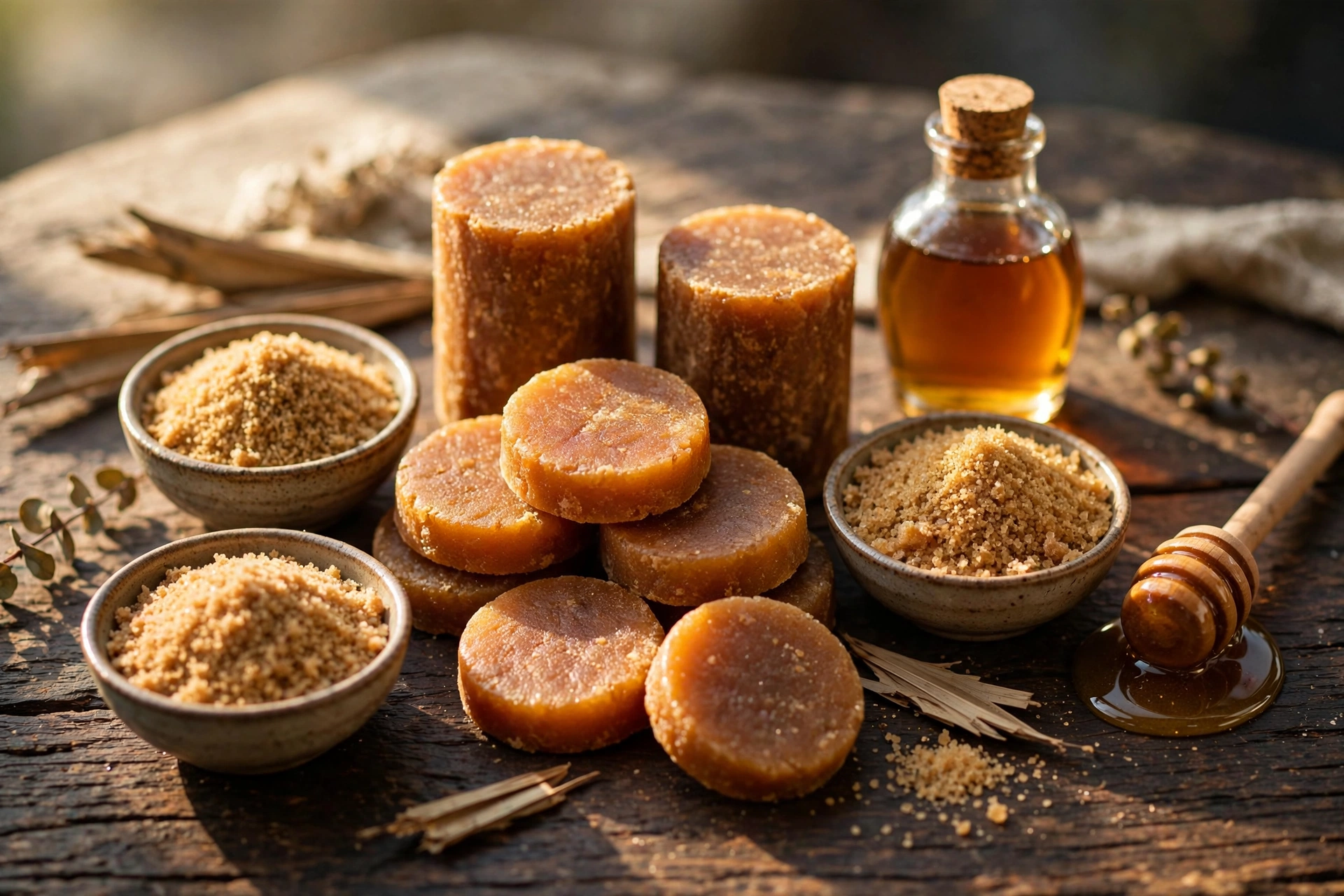
No palm sugar? 7 substitutes with ratios for every situation: coconut sugar, brown sugar, jaggery, maple syrup, honey, and which swap fits each Thai dish.
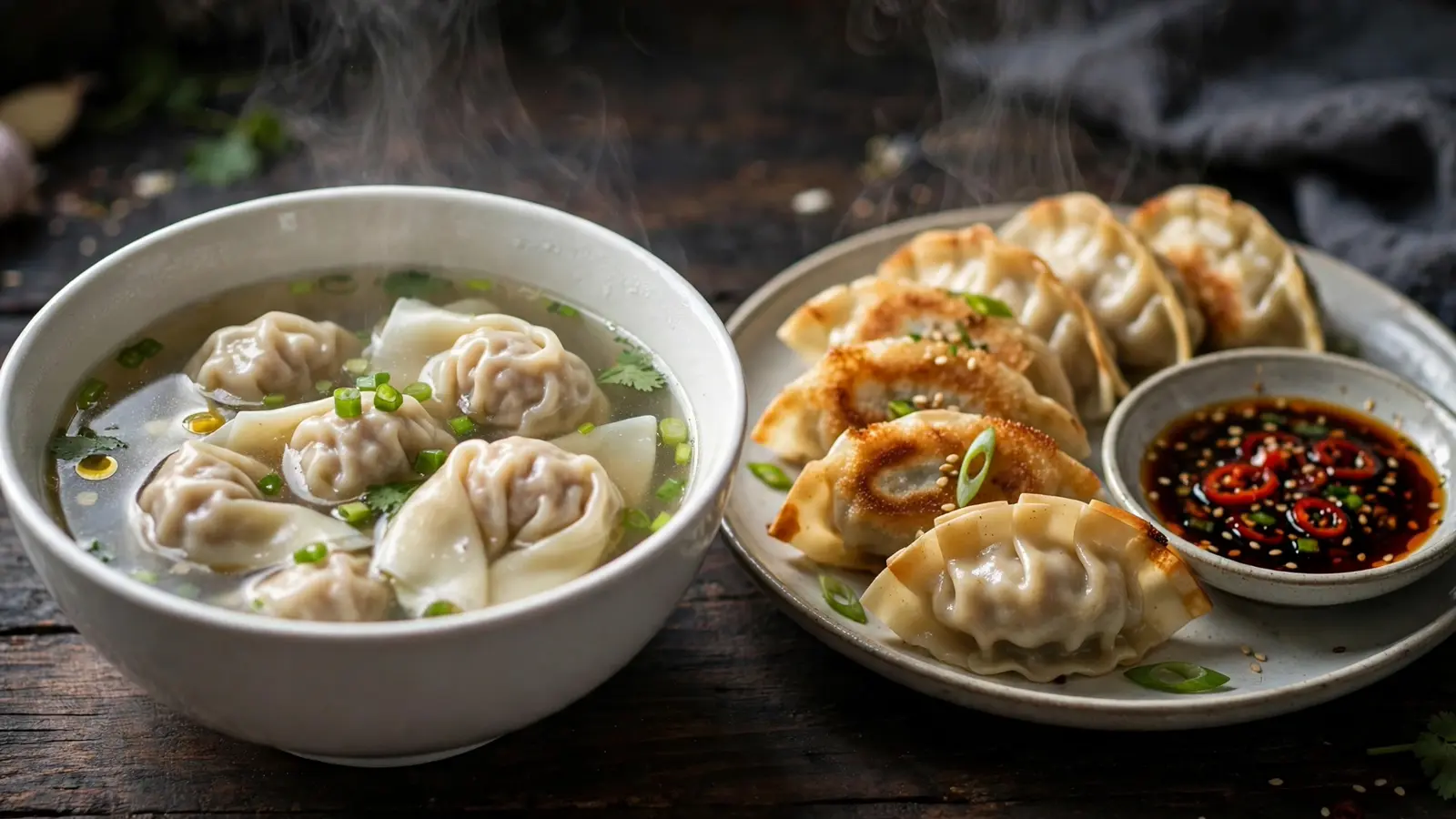
Wontons and dumplings share a filling but differ in wrapper, fold, and cooking. Learn which to make for soup, steaming, or pan-frying, and when they swap.

Doenjang and miso are both fermented soybean pastes, but they taste and cook differently. Flavor, texture, salt, and exactly when to swap one for the other.

A spider strainer is the quiet workhorse behind crisp fried shallots and bright blanched greens. Learn what it is, which size to buy, and how to use it safely.

A practical guide to rice noodles: banh pho, rice vermicelli, chow fun, and sen lek. What each one looks like, how to prep it, and which dish each belongs in.

Dumplings fuse when they freeze touching. Space them on a floured tray, freeze them solid, then bag. How long they keep and how to cook them from frozen.

Stir-fry oil needs to be 375 to 400°F. Use the shimmer test, the chopstick test, or the water-drop test — plus what to do when the oil smokes past its point.