
The first time I made this salad, I dumped the noodles into boiling water straight from the package and got a single sticky brick that no amount of tossing would separate. The package said “cook until tender,” which turned out to be wrong for this dish. What works: soak the dried noodles in warm water for 10 minutes, then give them only a 45 to 60 second blanch. They come out springy and separate, and they drink the dressing while still warm, which is when the flavor actually gets into the noodle instead of sliding off.

What is yam woon sen?
Yam woon sen is a Thai tossed salad built on woon sen, the clear mung bean noodles sometimes sold as cellophane or bean thread noodles. “Yam” means to toss or mix, and “woon sen” is the noodle, so the name is the method. The classic version tosses the noodles with shrimp and ground pork, then a dressing of lime juice, fish sauce, palm sugar, garlic, and fresh chilies. It sits in the family of Thai yam salads alongside som tum, the green papaya salad, and shares its logic: no heat on the palate goes unanswered by something sour, salty, and a little sweet.
Expect a light, bright plate. The noodles themselves taste like nothing until the dressing hits them, which is the point: they carry the lime and chili better than any leafy green could. The pork makes it savory, the shrimp makes it feel like a full meal, and the whole thing works warm or at room temperature. Serve it within half an hour of tossing, while the herbs are still fresh and the noodles still springy.
The two details that decide this salad
First, the noodle handling. Dried woon sen goes into warm water, not hot, for 10 minutes until it softens, then a quick blanch of under a minute in boiling water, then a cold rinse. Boiling it straight from dry overcooks the outside while the core stays stiff, and the strands glue themselves together. Cut the soaked noodles into shorter lengths with scissors before the blanch; full-length bundles are impossible to eat gracefully and tangle around everything.
Second, the dressing ratio. I start with 3 tablespoons fish sauce, 2 tablespoons lime juice, and 1 tablespoon palm sugar, then add garlic and chilies. Taste it before it touches the noodles: it should taste slightly too strong on its own. Glass noodles dilute whatever they meet, so a dressing that tastes perfect on a spoon tastes bland in the bowl. Adjust after tossing too, lime first if it needs brightness, fish sauce if it needs depth.
Ingredients
For the dressing
- 3 tablespoons fish sauce
- 2 tablespoons fresh lime juice, plus more to taste
- 1 tablespoon palm sugar, finely grated (or light brown sugar)
- 2 garlic cloves, minced
- 1 to 2 Thai bird’s eye chilies, thinly sliced (adjust to your heat tolerance)
For the salad
- 5 oz (140 g) dried mung bean glass noodles (woon sen)
- 8 oz (225 g) shrimp, peeled and deveined
- 1/2 lb (225 g) ground pork
- 1/2 small red onion, thinly sliced
- 1 cup cherry tomatoes, halved
- 2 stalks Chinese celery, thinly sliced (or regular celery)
- 1/4 cup cilantro, roughly chopped, plus a few sprigs to serve
- 2 tablespoons roasted peanuts, crushed (optional)
Buy actual mung bean glass noodles if you can find them; they stay springier than sweet potato versions in this salad. Thai brand noodles from an Asian grocery hold up best.
How to make it
1. Soak and cut the noodles
Place the dried noodles in a large bowl of warm water for 10 minutes until soft and pliable. Drain, then snip into shorter lengths with kitchen scissors. This keeps the salad tossable instead of one tangled knot.

2. Make the dressing
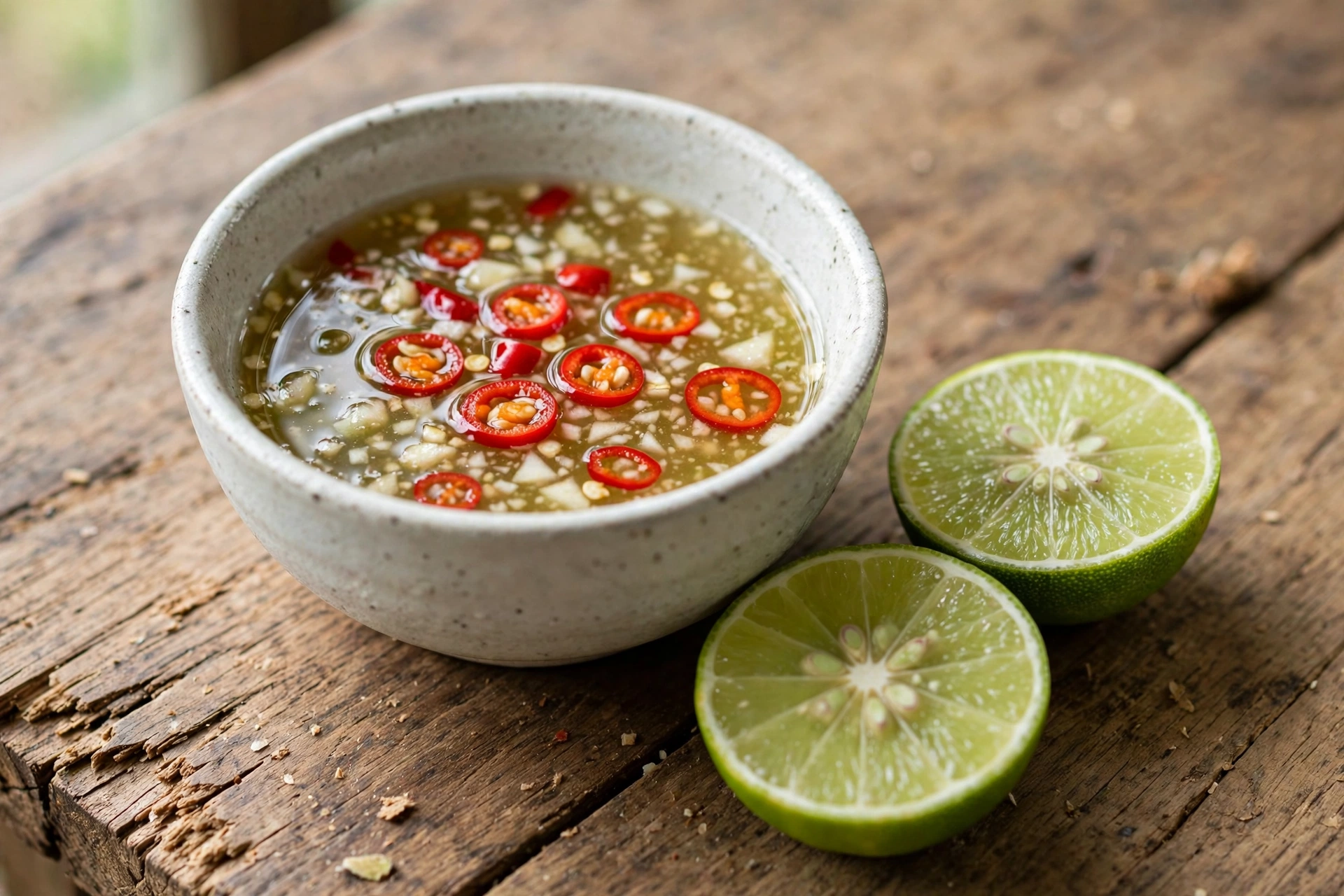
Whisk the fish sauce, lime juice, palm sugar, garlic, and chilies in a small bowl until the sugar dissolves. Taste it: it should read slightly too punchy on its own, since the noodles will soften it. Set aside.
3. Poach the shrimp and pork
Bring a pot of water to a gentle boil. Add the shrimp and poach 2 minutes, just until pink and opaque. Lift out with a slotted spoon. In the same water, break up the ground pork and poach until fully cooked, 3 to 4 minutes, skimming off any foam. Drain both well and place in a large mixing bowl. Do not let the pork sit in the cooking liquid; it absorbs water and turns bland.

4. Blanch the noodles
Return the pot to a rolling boil. Add the soaked noodles and cook 45 to 60 seconds, just until tender. Drain and rinse under cold water to stop the cooking, then drain again thoroughly. Wet noodles water down the dressing, so shake the colander and let them sit a minute.
5. Toss and serve
Add the warm noodles, onion, tomatoes, and celery to the bowl with the pork and shrimp. Pour the dressing over and toss with tongs until everything glistens. Add the cilantro last and toss once more. Taste and adjust with more lime juice or fish sauce. Top with peanuts if using, and serve within 30 minutes while everything is still bright.
This salad is a light main on its own, and it sits well next to Thai basil fried rice when you want a bigger spread. If the noodles cool completely before you dress them, warm the dressing slightly and toss again; cold noodles absorb seasoning more slowly.
Troubleshooting: Fix My Yam Woon Sen
Glass noodles are unforgiving about timing, and the dressing needs to be braver than it feels. Pick what went wrong below for a practical fix from my kitchen.
HERB & LIME · KITCHEN HELP
Fix My Yam Woon Sen
Choose what went wrong to see a practical next step.
Possible cause
What to try next
For next time
From Paul's kitchen. Results vary with noodle brand, oil, and stove heat, adjust timing to your setup.
Quick reference (also works without JavaScript)
The noodles clumped into one sticky mass
Cause: Glass noodles soaked or cooked too long release starch and glue together, especially when left sitting in the colander.
Try: Snip the clump into shorter lengths with kitchen scissors, then rinse under warm water while gently pulling the strands apart.
Prevent: Soak in warm water (not hot) for 10 minutes, blanch 45 to 60 seconds, rinse cold, drain well, and cut the strands short before tossing.
The noodles turned mushy and fell apart
Cause: Dried woon sen boiled too long over-gelatinizes: the outside turns mushy while the core is still stiff, then the strands break apart.
Try: Mushy noodles cannot be saved, so serve this batch as-is and adjust the next one. The salad still tastes good.
Prevent: Never boil dried glass noodles from the package. Soak 10 minutes in warm water first, then blanch under a minute until just tender.
The salad tastes bland even with the full dressing
Cause: Glass noodles are nearly flavorless and dilute whatever they meet, so a dressing that tastes balanced on a spoon lands flat on the noodles.
Try: Toss in more fish sauce and lime juice, a tablespoon at a time, tasting after each addition.
Prevent: Taste the dressing before tossing: it should taste slightly too strong on its own. Add more lime for brightness or fish sauce for depth after the first toss.
The salad went limp and watery after sitting
Cause: Salt in the dressing pulls liquid from the tomatoes and celery, and fresh herbs wilt fast against warm ingredients.
Try: Pour off any pooled liquid, then refresh with a squeeze of lime and a spoon of fish sauce right before serving.
Prevent: Dress the salad within 30 minutes of serving and keep the cilantro separate until the final toss.
The pork tastes gray and steamed, and the salad has extra liquid
Cause: Ground pork crowded in the pan steams instead of searing, and any poaching liquid carried into the bowl waters down the dressing.
Try: Pour off excess liquid before tossing, and add an extra spoon of dressing to compensate.
Prevent: Break the pork into a single layer and drain it thoroughly after poaching, so no cooking liquid reaches the salad bowl.
Yam Woon Sen: Thai Glass Noodle Salad with Shrimp and Pork
Ingredients
Method
- Soak the noodles: cover the dried glass noodles with warm water and soak 10 minutes, until soft and pliable. Drain, then snip into shorter lengths with kitchen scissors.
- Make the dressing: whisk the fish sauce, lime juice, palm sugar, garlic, and chilies until the sugar dissolves. Taste it; it should taste slightly too strong on its own, since the noodles will soften it.
- Poach the shrimp and pork: bring a pot of water to a gentle boil. Add the shrimp and poach 2 minutes, just until pink and opaque; lift out with a slotted spoon. Break up the ground pork in the same water and poach 3 to 4 minutes until fully cooked, skimming foam. Drain both well and place in a large mixing bowl.
- Blanch the noodles: return the pot to a rolling boil. Add the soaked noodles and cook 45 to 60 seconds, just until tender. Drain, rinse under cold water to stop the cooking, and drain thoroughly.
- Toss and serve: add the warm noodles, red onion, tomatoes, and celery to the bowl with the pork and shrimp. Pour the dressing over and toss with tongs until everything glistens. Add the cilantro last and toss once more. Taste and adjust with more lime juice or fish sauce. Top with peanuts if using and serve within 30 minutes.
Notes
More Thai recipes
A few more from the Thai side of the site: Pad Kee Mao: Thai Drunken Noodles when you want noodles with wok heat, Som Tum: Thai Green Papaya Salad for the other great Thai yam, Tod Mun Pla: Thai Fish Cakes to round out a Thai table, and Mango Sticky Rice when the meal needs a sweet finish.
1 thought on “Yam Woon Sen: Thai Glass Noodle Salad with Shrimp and Pork”