
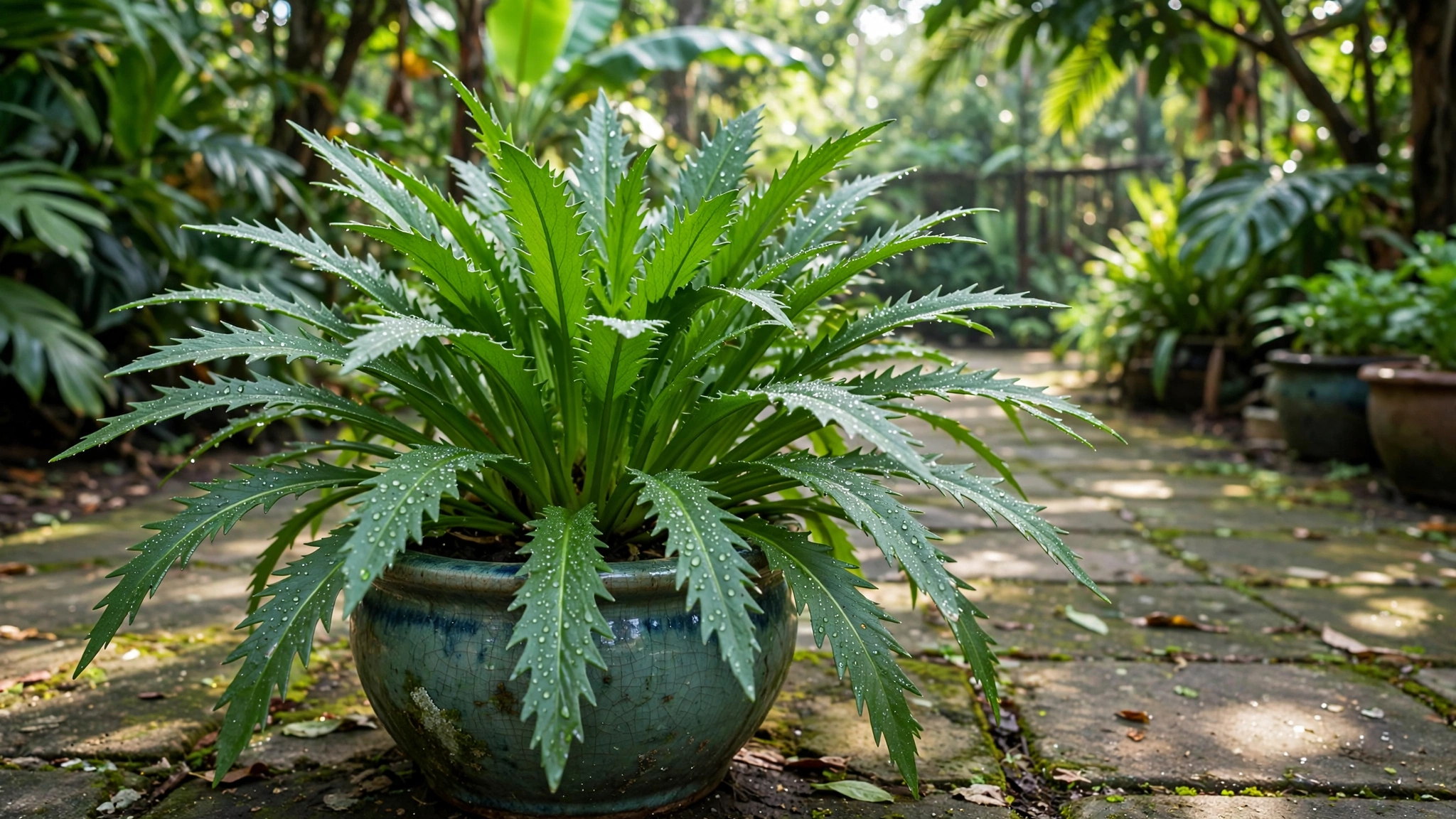
Culantro is the herb that makes a bowl of pho taste right. Sold in Vietnamese markets as ngo gai, and sometimes labeled sawtooth coriander or recao in Latin groceries, it looks nothing like its cousin cilantro. Instead of lacy leaves, culantro grows long, serrated leaves from a low rosette, and the flavor is stronger, deeper, and earthier than cilantro — like cilantro turned up, with a warm edge that holds up in hot broth.
That strength is exactly why it frustrates home growers. Culantro wants heat and moisture at the same time, it bolts fast when stressed, and its seeds are slow to wake up. But once you understand what it is trying to do, it is one of the most rewarding herbs you can keep in a pot or a shady garden bed.
This guide covers the full cycle: starting from seed, choosing a spot, feeding and watering, slowing down bolting, and harvesting without killing the plant. If you already grow a few pan-Asian herbs, culantro slots in naturally next to Thai basil and the storage habits covered in How to Store Fresh Herbs So They Last Longer.
Culantro Is Not Cilantro
The two herbs are close relatives in the carrot family, and they share the same core flavor compounds, which is why culantro often stands in for cilantro in Caribbean and Southeast Asian cooking. The differences matter in the garden, though.
Cilantro is a cool-season annual. It races to flower as soon as days warm up. Culantro is a tropical biennial that loves heat but wants protection from harsh, direct midday sun. Cilantro leaves are quick and tender. Culantro leaves are thick, sturdy, and heavily perfumed, and they keep their flavor in a simmering pot where cilantro fades in minutes.
Knowing this changes how you grow it. Where cilantro gets a sunny spring windowsill, culantro wants warmth, humidity, and bright shade — closer to the conditions under a tree canopy in the tropics, which is where it thrives in the wild.
Starting Culantro from Seed
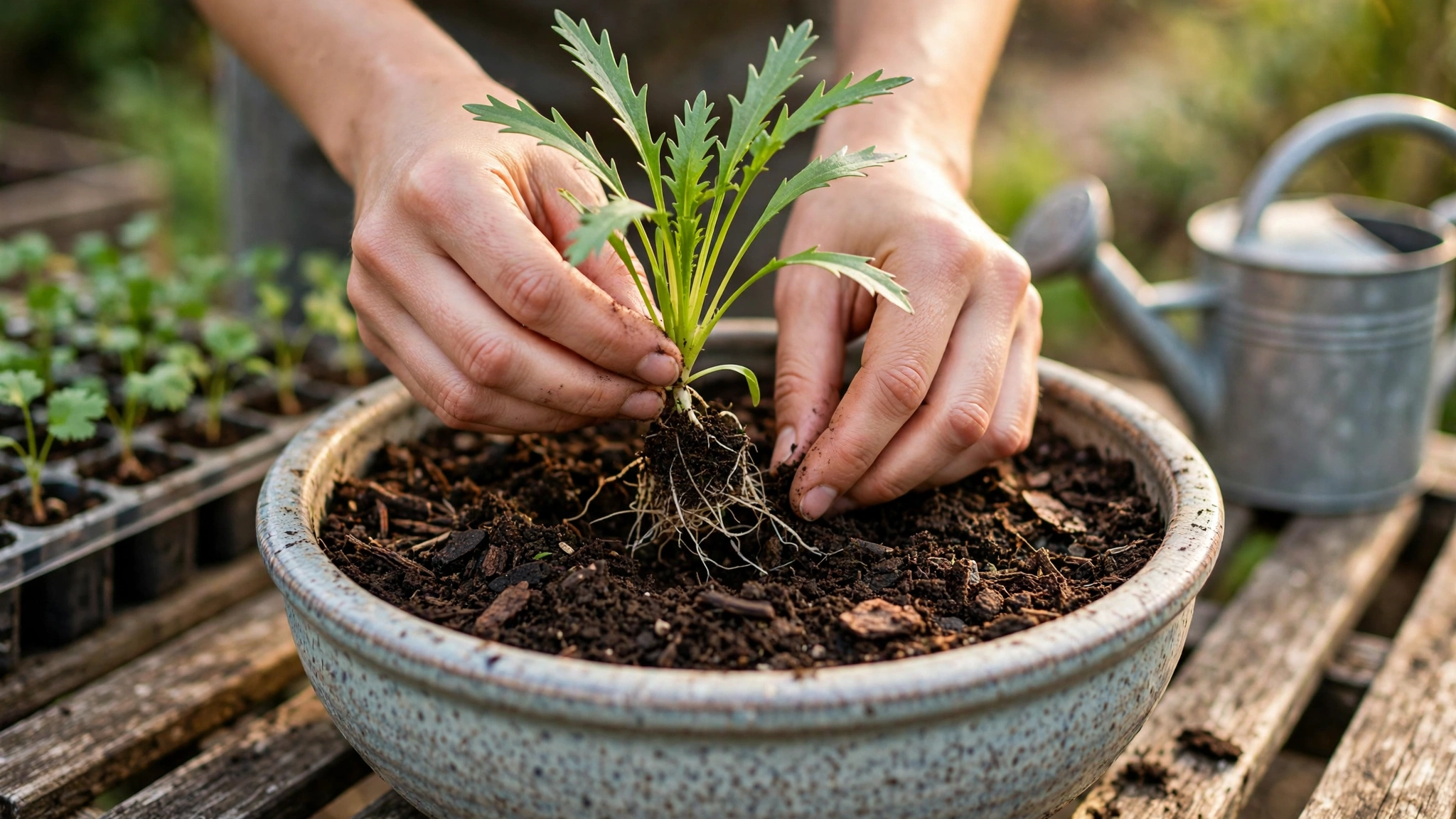
Patience is the main ingredient. Culantro seed is slow and a little erratic. Fresh seed germinates far better than old packets, so buy from a source with turnover, and expect sprouts in 14 to 30 days at soil temperatures between 75 and 85°F. Seedlings may also pop up in waves, which is normal for this plant.
A simple method that works well:
- Fill a shallow tray or 3-inch pots with fine seed-starting mix and water it until evenly moist.
- Sow seeds on the surface and press them in lightly. Culantro seed needs light to germinate well, so cover with no more than a dusting of mix, about 1/8 inch.
- Cover the tray with a clear humidity dome or plastic wrap and set it somewhere warm — the top of a refrigerator or a heat mat beats a cool windowsill.
- Keep the surface moist, not soggy. A spray bottle every day or two prevents the tiny seeds from washing around.
- Once seedlings show two true leaves, thin or pot them up so each plant gets its own space. Crowded seedlings stall and invite damping-off.
Transplant outdoors only after nights stay above 55°F, and closer to 60°F is safer. Culantro sulks in cold soil and rarely recovers its stride.
If seed starting sounds like a project, nurseries in areas with large Vietnamese, Puerto Rican, or Caribbean communities often sell culantro starts in spring. A store-bought plant skips the slowest six weeks entirely.
Choosing the Right Spot: Warm Shade
This is the part most growers get wrong. Culantro cooked in full summer sun bolts almost immediately — the plant reads harsh light and heat as a signal to flower and finish its life. In bright shade, it settles in and pushes leaf after leaf.
Aim for:
- Morning sun only, ideally 2 to 4 hours, with shade through the hot afternoon, or
- Dappled light under a tree, a pergola, or a taller tomato plant all day, or
- A north- or east-facing balcony that gets indirect light but real warmth.
Indoors, a bright window without direct afternoon sun works, and a simple LED grow light on a long timer (14 to 16 hours) keeps plants compact and productive through winter.
Temperature matters as much as light. Culantro grows fastest between 75 and 90°F with humid air. Below 60°F it nearly stops. It is not frost-tolerant at all, so treat it like basil: a summer herb outdoors in most climates, or a year-round houseplant.
Soil, Pots, and Water
Culantro evolved in moist tropical soils, and it wants the potted version of that: rich, loose, and consistently damp.
Soil. Use a quality potting mix with plenty of organic matter. Mixing in a third compost or worm castings gives the slow nutrition culantro likes. The plant prefers slightly acidic soil, around pH 6.0 to 6.8, which is right where most compost-rich mixes land. In a garden bed, work compost into the top few inches and mulch heavily.
Pots. Culantro has a modest root system, so an 8- to 10-inch pot suits one plant, and a wide window box can hold three or four spaced about 8 inches apart. Terracotta dries too fast for this herb in summer; glazed ceramic or plastic holds moisture better. Good drainage still matters — culantro wants damp soil, not standing water.
Water. Keep the soil evenly moist, like a wrung-out sponge, and never let it fully dry between waterings. A dry spell followed by a soak is a classic bolting trigger. An inch or two of mulch on the surface cuts evaporation and keeps soil splash off the low leaves. In hot weather, a container plant may need water every day, sometimes twice.
Food. Feed lightly and steadily. A balanced liquid fertilizer at half strength every two to three weeks, or a monthly side-dressing of compost, keeps leaves dark and flavorful. Hard pushes of high-nitrogen fertilizer grow pale, weak leaves, so gentle and regular beats strong and rare.
The Bolting Problem, and How to Slow It Down
Every culantro grower eventually watches a thick flower stalk rise from the center of the rosette, topped with a spiky green cone. That is bolting, and once it starts, leaf production slows and leaves get tougher. You cannot stop it forever — flowering is the plant’s job, and heat, long days, dry soil, and root stress all speed it up — but you can delay it by months.
- Cut the stalk early and often. The moment you see a flower stem forming, snip it off at the base. The plant usually responds by pushing new leaves. Check plants twice a week in summer.
- Keep roots cool and moist. Mulch, shade, and steady watering all remove the stress signals that trigger flowering.
- Harvest constantly. Regular picking tells the plant to keep making leaves.
- Grow in succession. Start a fresh small batch every 6 to 8 weeks through summer so a younger plant is always coming along as an older one tires out.
Let one plant flower at the end of the season. The seed heads turn brown and dry on the stalk, and the seed you collect, sown fresh, germinates far better than a packet that sat in a drawer. Culantro also self-sows freely where winters are mild — gardeners in frost-free climates often find next year’s plants volunteering on their own.
Harvesting Leaf by Leaf
Do not shear culantro like parsley. The plant grows from a central crown, and cutting that crown can kill it. Instead, harvest the outer, older leaves one at a time.
Grip a mature outer leaf near its base and snap or cut it cleanly where it meets the crown. Leave the center leaves and the growing point untouched. A healthy plant in warm weather replaces harvested leaves quickly, and steady picking keeps the rosette low, leafy, and productive instead of leggy.
Harvest in the morning when leaves are most aromatic, rinse, and pat dry. Culantro keeps well in the refrigerator for a week or more wrapped loosely in a damp paper towel inside a container.
How to Use Your Harvest
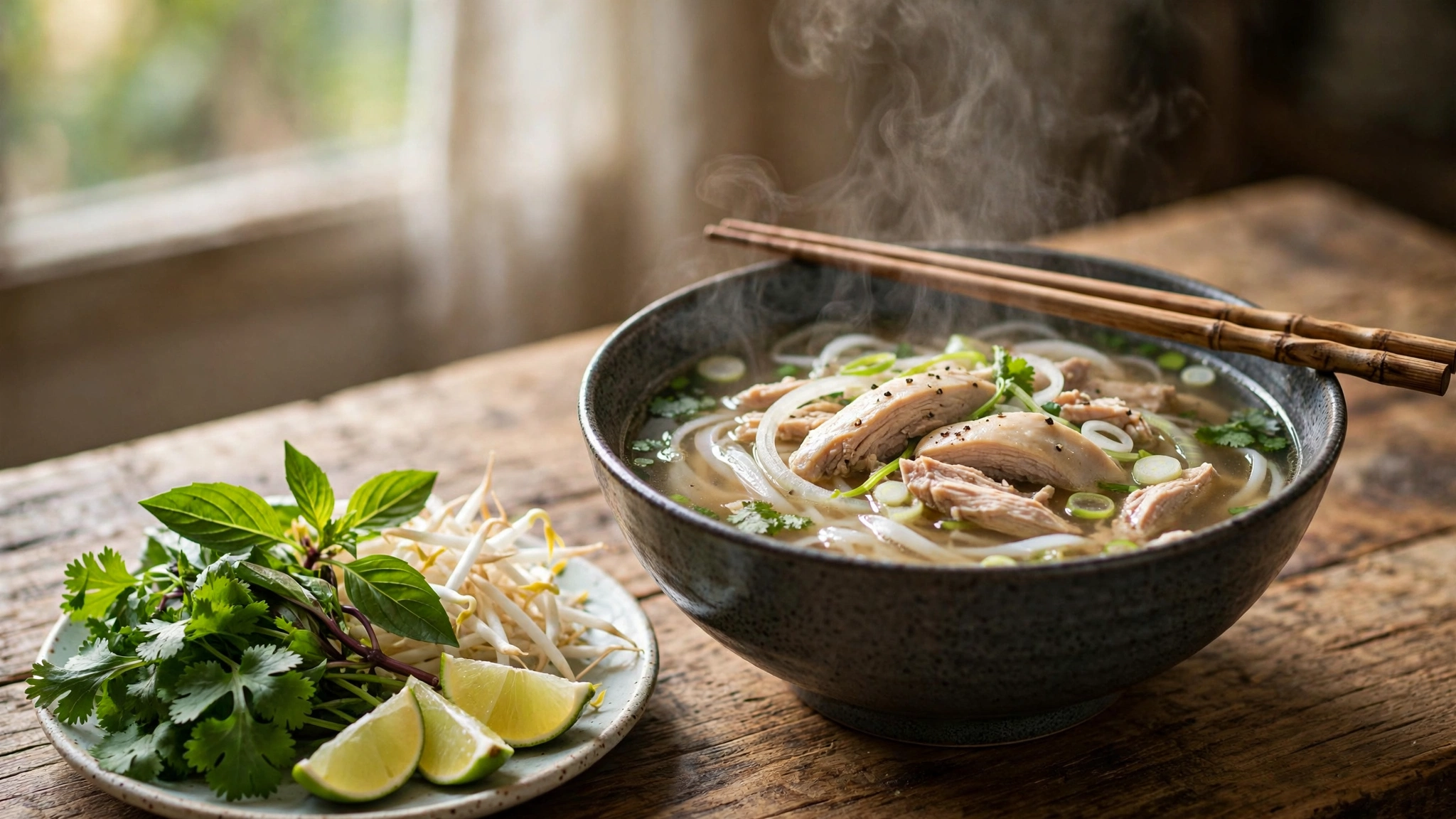
Fresh culantro leaves are the finish on a bowl of pho ga, tucked into the herb plate alongside Thai basil and bean sprouts, torn in just before eating so the heat of the broth releases their perfume without cooking it away. Whole leaves also go into Vietnamese beef noodle soups, Thai tom yum, and Cambodian samlor.
Chopped, culantro brings a deep herbal base to Caribbean sofrito, Panamanian guacho, and Trinidadian green seasoning. It stands up to simmering far better than cilantro, so it can go into a pot early and still taste like itself at the table.
A rough swap if a recipe calls for cilantro and you are reaching for culantro: start with about a third as much. Culantro is potent, and you can always add another leaf.
Common Problems and Fixes
- Plants flower within weeks of transplanting. Almost always too much direct sun, dry soil, or both. Move the pot to bright shade, mulch, and cut stalks as they appear.
- Seed never sprouts. Old seed is the usual culprit, followed by sowing too deep and cool soil. Buy fresh seed, keep it warm and barely covered, and wait a full month before giving up.
- Yellowing lower leaves. Often simple hunger in a pot, or soil staying waterlogged. Feed lightly, and check that drainage holes are clear.
- Slugs and snails love the low, moist rosette. Hand-pick at dusk, set out beer traps, or ring the pot with copper tape.
- Leaves grow pale and thin indoors in winter. Light is too weak. Move closer to the brightest window you have or add a small grow light.
None of these problems is fatal on its own. Culantro is a tough plant once its basic bargain — warmth, shade, and moisture — is honored.
A Realistic First Season
Set expectations and this herb is a pleasure. Seeds started indoors in late winter give transplant-ready plants once nights warm up. Expect first real harvests about three months after sowing, sooner from nursery starts. Through the warm months, pick outer leaves weekly, cut flower stalks on sight, and keep the pot watered. When nights cool in fall, bring a pot indoors to a bright spot; culantro often overwinters happily and starts spring ahead of any seed you could sow.
Grow one plant and you will understand the flavor. Grow three, and bowls of pho at home stop tasting like something is missing.
2 thoughts on “How to Grow Culantro (Ngo Gai) at Home”