
The night I learned these are not the same bottle, I was making red-braised pork and realized my Shaoxing bottle was almost empty. There was a bottle of dry sherry in the cabinet, so I finished the braise with it, one for one. The dish came out good, but flatter than usual, less rounded, and I could not figure out why until I read both labels side by side. My Shaoxing was a salted cooking wine. The sherry was a drinking sherry, completely unsalted. Same volume of liquid, but I had quietly removed a quarter teaspoon of seasoning from the recipe without noticing.
Here is the short version. Shaoxing wine is a Chinese rice wine: nutty, mildly sweet, and usually amber from aging. Dry sherry is a Spanish fortified wine: also nutty, but leaner and drier. You can swap them one for one in most cooked dishes, and nobody will send the plate back. But the swap only works if you match the salt, because the bottles on American shelves are often playing different games with it.

What is Shaoxing wine?
Shaoxing wine is named for Shaoxing, a city in Zhejiang province on China's east coast, where it has been brewed for centuries. It belongs to the family of Chinese yellow wines, called huangjiu. The base is fermented glutinous rice plus water and a wheat-based starter called qu, and the better grades age for years in earthenware crocks. That aging is what gives good Shaoxing its amber color and its deep, nutty aroma.
The bottle you buy matters more than the brand. In the United States, most Shaoxing sold in supermarkets is labeled cooking wine and carries added salt, usually around 1.5 percent, so it can be sold as a food product without a liquor license. That salt is why the flavor reads harsher straight from the bottle and why dishes seasoned around it can taste off if you swap blindly. The unsalted version, often labeled Huadiao, tastes smoother and is the one to grab for dishes where the wine sits front and center, like drunken chicken. One more thing to know: Shaoxing uses a wheat starter, so it is not reliably gluten-free. If that matters at your table, check the label of anything that offers a gluten-free claim rather than assuming.
In my kitchen, Shaoxing goes into marinades, stir-fry sauces, and braises. A tablespoon in the marinade for twice-cooked pork tamps down the porky edge, and the same tablespoon in a kung pao chicken sauce ties the peanuts and chiles together. Red-braised dishes get the most, sometimes a quarter cup, because long cooking mellows the wine into the sauce.

What is dry sherry?
Dry sherry comes from the opposite side of the world: Jerez, Spain, where white palomino grapes are fermented and then fortified with grape spirit. The dry styles you want for cooking are fino and manzanilla. They are pale, crisp, and nutty, with alcohol around 15 to 17 percent, which puts them in the same neighborhood as Shaoxing's roughly 14 to 20 percent. The flavor overlap is real: both wines get their signature nuttiness from aging, just by different routes.
The same bottle trap applies here. Cooking sherry sold in supermarkets is salted, much like cooking Shaoxing, while a bottle from the wine aisle is not. The cooking version tastes dull and one-dimensional next to the real thing. If you are buying sherry to cook with, buy a modest drinking fino or manzanilla and keep it in the fridge after opening. It keeps for weeks and you can also pour yourself a glass.
Sherry's flavor is less sweet and a touch sharper than Shaoxing. In Chinese cooking that difference shows up in quick dishes where the wine does not have long to settle: a stir-fry sauce made with sherry tastes a little leaner and cleaner, where Shaoxing gives a rounder, faintly sweet background note. If you want the full map of Shaoxing alternatives beyond sherry, my guide to Shaoxing wine substitutes ranks all seven.
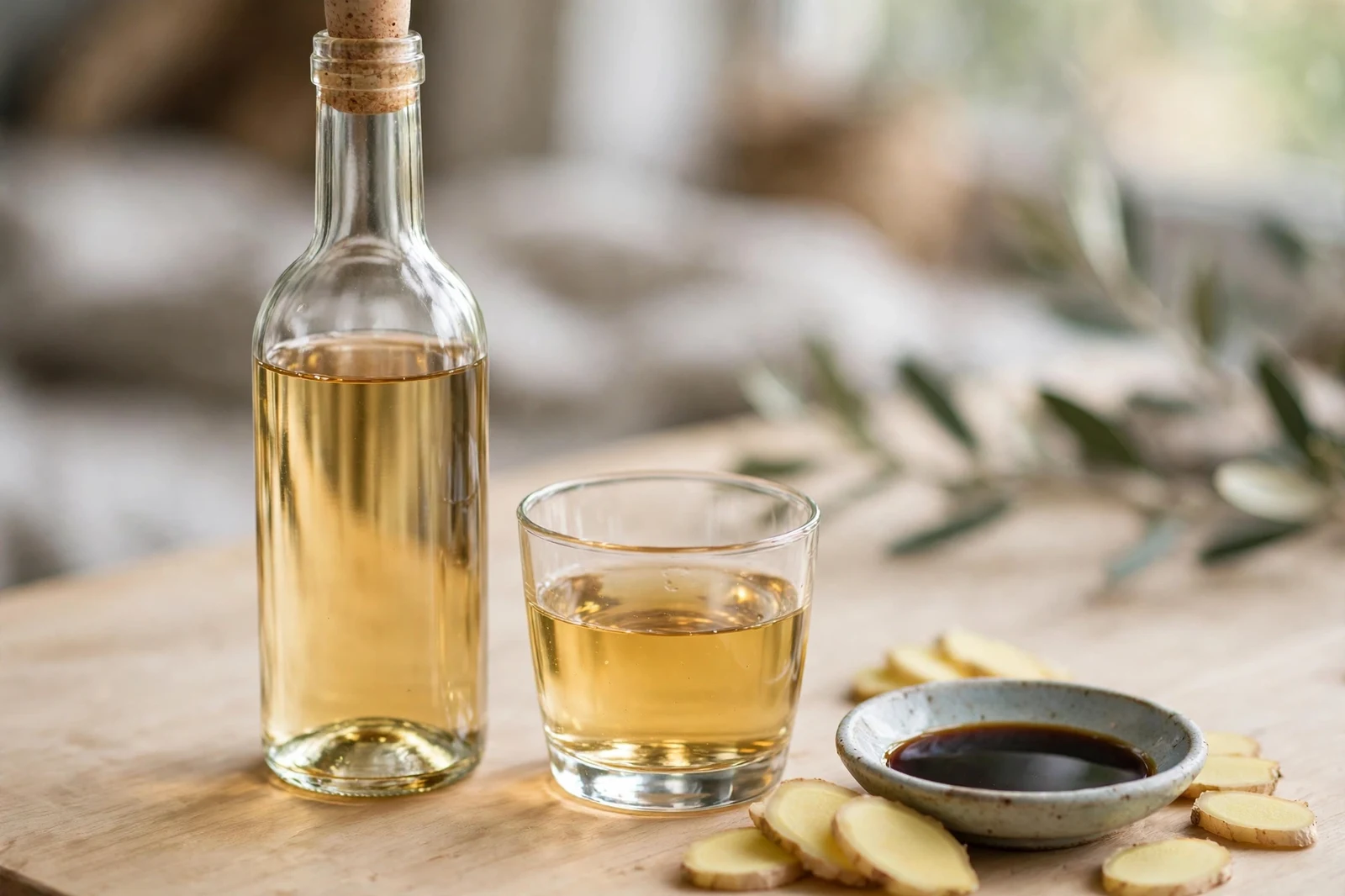
Shaoxing wine vs dry sherry: side by side
| Shaoxing wine | Dry sherry | |
|---|---|---|
| What it is | Chinese fermented rice wine (huangjiu) | Spanish fortified grape wine |
| Made from | Glutinous rice, water, wheat starter | Palomino grapes, fortified with spirit |
| From | Shaoxing, Zhejiang province, China | Jerez, Spain |
| Alcohol | About 14 to 20 percent | About 15 to 17 percent |
| Sweetness | Mildly sweet, rounds out sauces | Dry, leaner and a touch sharper |
| Flavor | Nutty, deep, aged character | Nutty, crisp, sometimes faintly briny in fino |
| Salt | U.S. cooking versions usually salted (~1.5%) | Drinking versions unsalted; cooking versions salted |
| Gluten | Wheat starter, not reliably gluten-free | Made from grapes, generally gluten-free |
| Color | Amber to dark brown | Pale gold (fino) to amber (amontillado) |
| Best for | Marinades, braises, stir-fries, steamed dishes | 1:1 swap where Shaoxing is unavailable |
| Watch out for | Salted vs unsalted bottles behave differently | Cooking sherry is dull; buy drinking fino |
When to use which
Reach for Shaoxing when you have it. It is the native ingredient in Chinese cooking, and its mild sweetness is part of how the cuisine's sauces are built. Dishes where the wine is prominent deserve the real thing: red-braised pork, drunken chicken, steamed fish with ginger and scallion, and dumpling fillings. If you only own the salted cooking version, that is fine for all of these; just season the dish with a lighter hand on the soy sauce, because some of the salt budget already came from the bottle.
Reach for dry sherry when Shaoxing is not in the house. The 1:1 swap holds across the board: one tablespoon of sherry for one tablespoon of Shaoxing, in marinades, stir-fries, braises, and steamed dishes. The one adjustment that matters is salt. If your Shaoxing bottle is a salted cooking wine and your sherry is an unsalted drinking sherry, add a small pinch of salt per tablespoon of sherry, about one-eighth teaspoon, and taste before adding the final seasoning. That single correction closes almost the entire gap between the two bottles.
One caution in the other direction: do not swap in sweet sherry styles. Cream sherry, oloroso, and Pedro Ximenez bring sugar and raisin notes that read as dessert in a savory Chinese dish. Only fino or manzanilla, clearly labeled dry, belong in this swap.
The two-batch test
I ran the swap side by side because the salt question kept nagging me. Two identical batches of sliced-chicken and green-pepper stir-fry, two tablespoons of wine each: one pan with my usual salted cooking Shaoxing, one with an unsalted drinking fino.
The difference showed up in under a minute. At the 45-second mark, the Shaoxing pan smelled deeply savory, the way a Chinese kitchen is supposed to smell. The sherry pan smelled a touch sharper and less rounded, and the sauce tasted noticeably under-seasoned next to the other pan. I added one-quarter teaspoon of salt to the sherry pan, which is one-eighth teaspoon per tablespoon of sherry, and the two pans snapped into alignment. The Shaoxing version still tasted slightly deeper and the sherry version slightly cleaner, but both were good, and I would have eaten either without complaint.
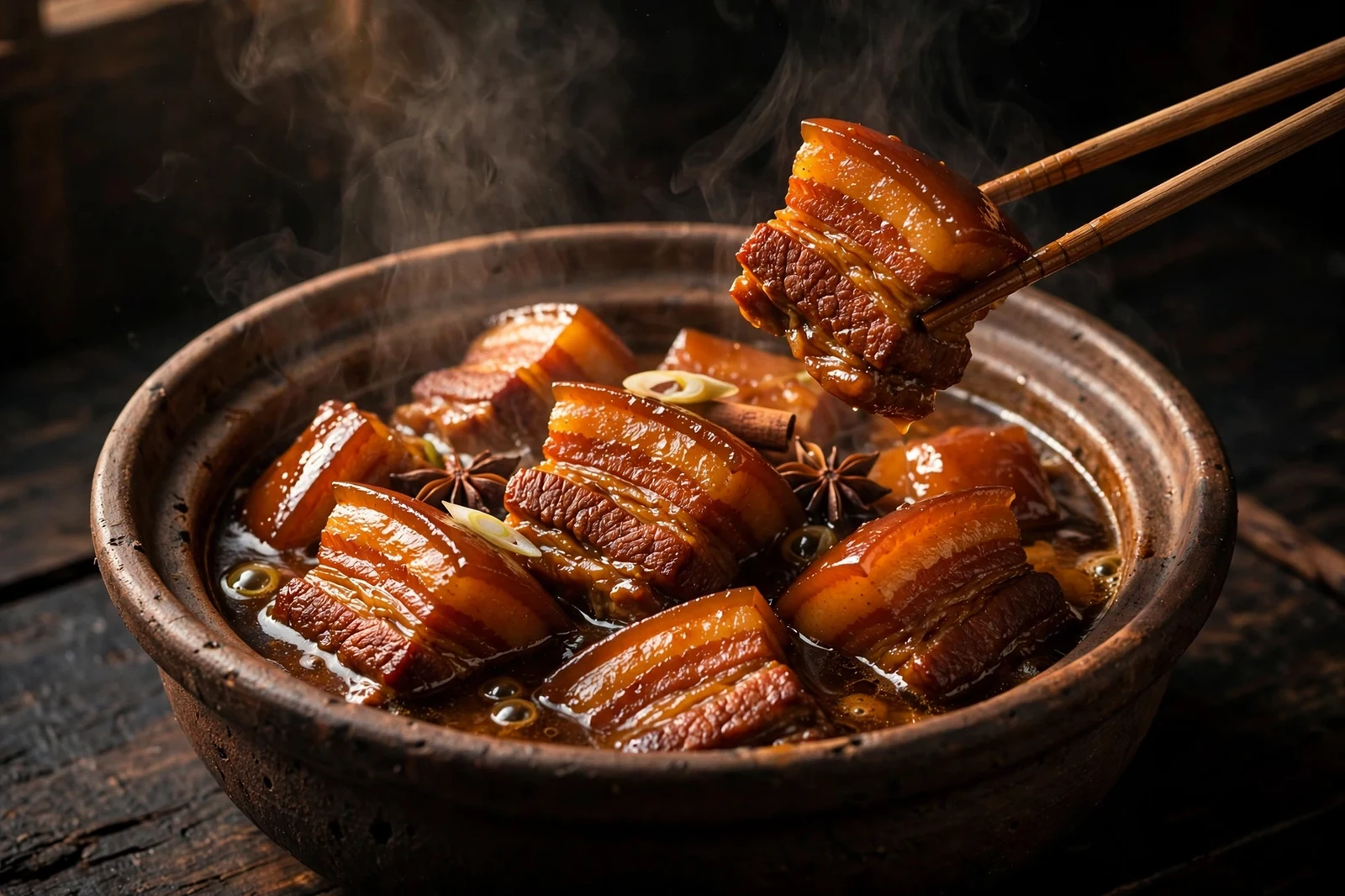
Then I tried the same comparison in a 30-minute red-braise of pork belly, two tablespoons of each in identical pots. There the gap almost disappeared: by the ten-minute mark the alcohol edges had cooked off both pots and only the background notes differed, Shaoxing a little more depth, sherry a little more brightness. The lesson from both tests is the same. Match the salt, give the wine at least a few minutes of heat, and the bottles are close enough that the dish carries the day.
Which should you buy?
Buy both if you cook Chinese food regularly. A bottle of salted Shaoxing cooking wine costs a few dollars at any Asian grocery, and a half bottle of drinking fino covers you for the nights you run out. They keep for months, and between the two you never stall a recipe over a missing tablespoon.
If you only buy one, make it Shaoxing. It is the ingredient the recipes were written around, and its mild sweetness is doing quiet work in sauces that sherry will not fully replace. But keep a bottle of dry sherry as your backup, not your plan B with regrets: with the salt matched, it is the closest stand-in in the pantry, closer than sake and far closer than mirin, which is much sweeter and belongs in Japanese cooking.