
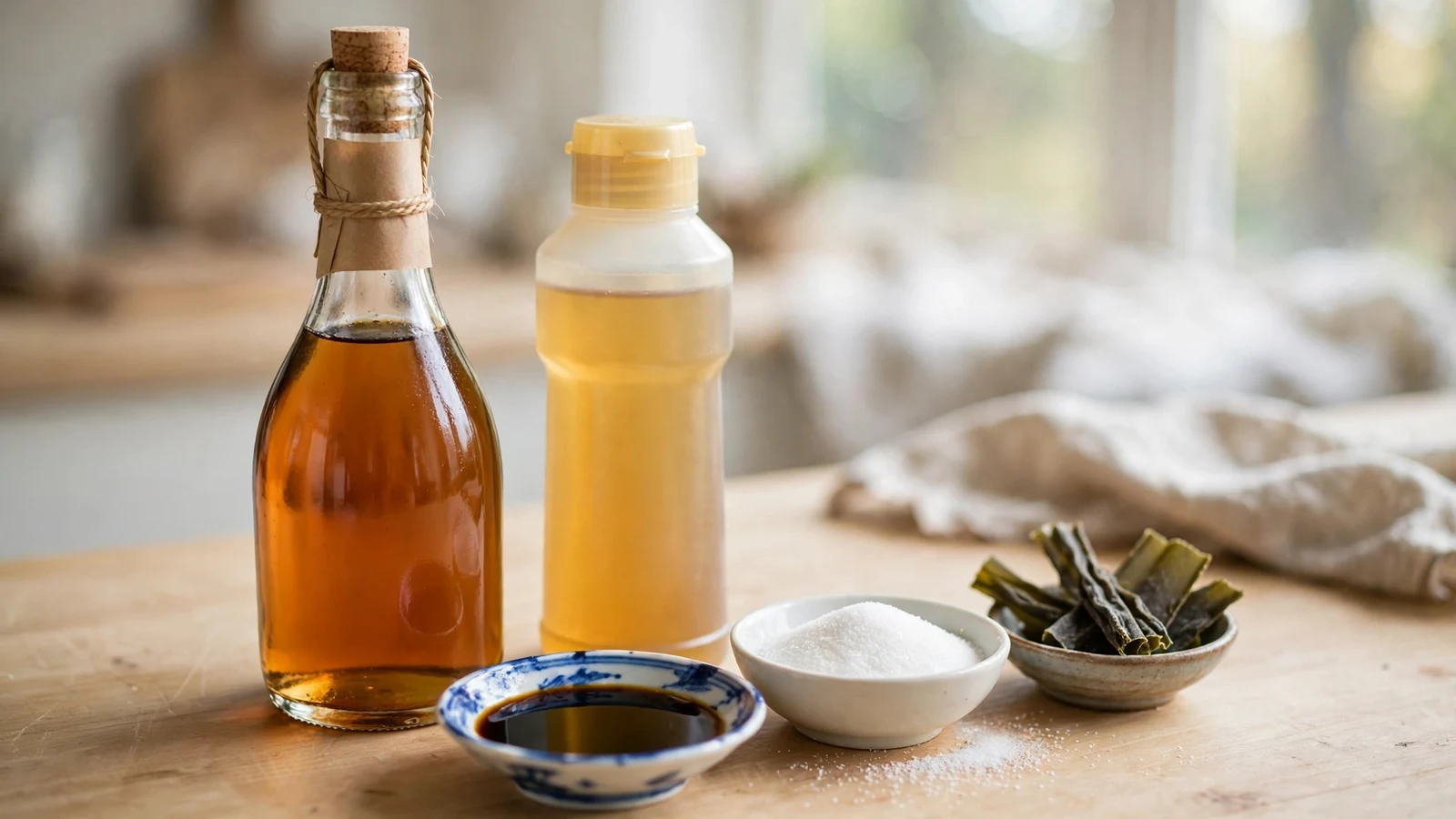
I keep a bottle of hon-mirin by the stove, and I still manage to run dry right when a teriyaki sauce needs it. The good news: mirin’s job in a dish is simple enough to rebuild from parts. Below are seven substitutes with exact ratios for each, matched to the dish you’re making, plus an honest read on the two situations where nothing replaces the real thing. If you’ve swapped other Japanese pantry bottles before, the approach here matches the Shaoxing Wine Substitutes guide: pick by the job, not by whatever bottle is closest.
What mirin actually does in a dish
Hon-mirin is a sweet Japanese rice wine, around 14% alcohol, made by fermenting glutinous rice with koji and shochu. The fermentation leaves a lot of natural sugar behind, so mirin tastes sweet with a clean rice-wine depth. In a dish it does three things at once: it adds gentle sweetness that rounds out soy sauce’s salt, it gives simmered sauces and glazes their glossy sheen, and its alcohol softens the raw edge of meat and fish as it cooks. Aji-mirin, the “mirin-style seasoning” on most supermarket shelves, skips most of the fermentation: under 1% alcohol, sweeter, cheaper, and thinner in flavor.
No single substitute covers all three jobs. The seven below each cover part of them, so match the swap to what your dish needs most.
Quick picker: match the swap to the dish
| Substitute | Swap for 1 Tbsp mirin | Best for | Watch out for |
|---|---|---|---|
| Aji-mirin (mirin-style seasoning) | 1 Tbsp, straight 1:1 | Teriyaki sauce, glazes, and weeknight stir-fries (the closest bottle swap) | Sweeter than hon-mirin; taste before adding more sugar elsewhere |
| Sake + sugar | 1 Tbsp sake + 1/4 tsp sugar | Nikujaga, chawanmushi, and simmered dishes (closest in flavor) | Drier sake needs the full 1/4 tsp; stir until the sugar dissolves |
| Dry sherry + sugar | 1 Tbsp sherry + 1/4 tsp sugar | Teriyaki sauce, meat marinades | Nuttier and stronger; start with 2 tsp per Tbsp and add to taste |
| Dry white wine + sugar | 1 Tbsp wine + 1/2 tsp sugar | Light simmered sauces, steamed fish | More acidity, no rice-wine depth; a poor pick for glazes |
| Rice vinegar + sugar | 1 Tbsp vinegar + 1 tsp sugar | Sunomono-style dressings, sushi rice in a pinch | Never skip the sugar; the vinegar bite shows through in cooked sauces |
| White grape juice + rice vinegar | 1 Tbsp juice + 1/2 tsp vinegar | Alcohol-free simmered dishes | Fruity and flat; sweetness only, no mellowing effect from alcohol |
| Warm water or dashi + sugar | 1 Tbsp liquid + 1 tsp sugar | Kids’ portions, strongly flavored sauces | Sweetness only; lean on soy sauce and dashi for the rest of the flavor |
If you only remember one line, remember this: sake plus a little sugar is the swap that tastes most like mirin, because it starts from the same fermented rice.
The closest swap: sake and sugar
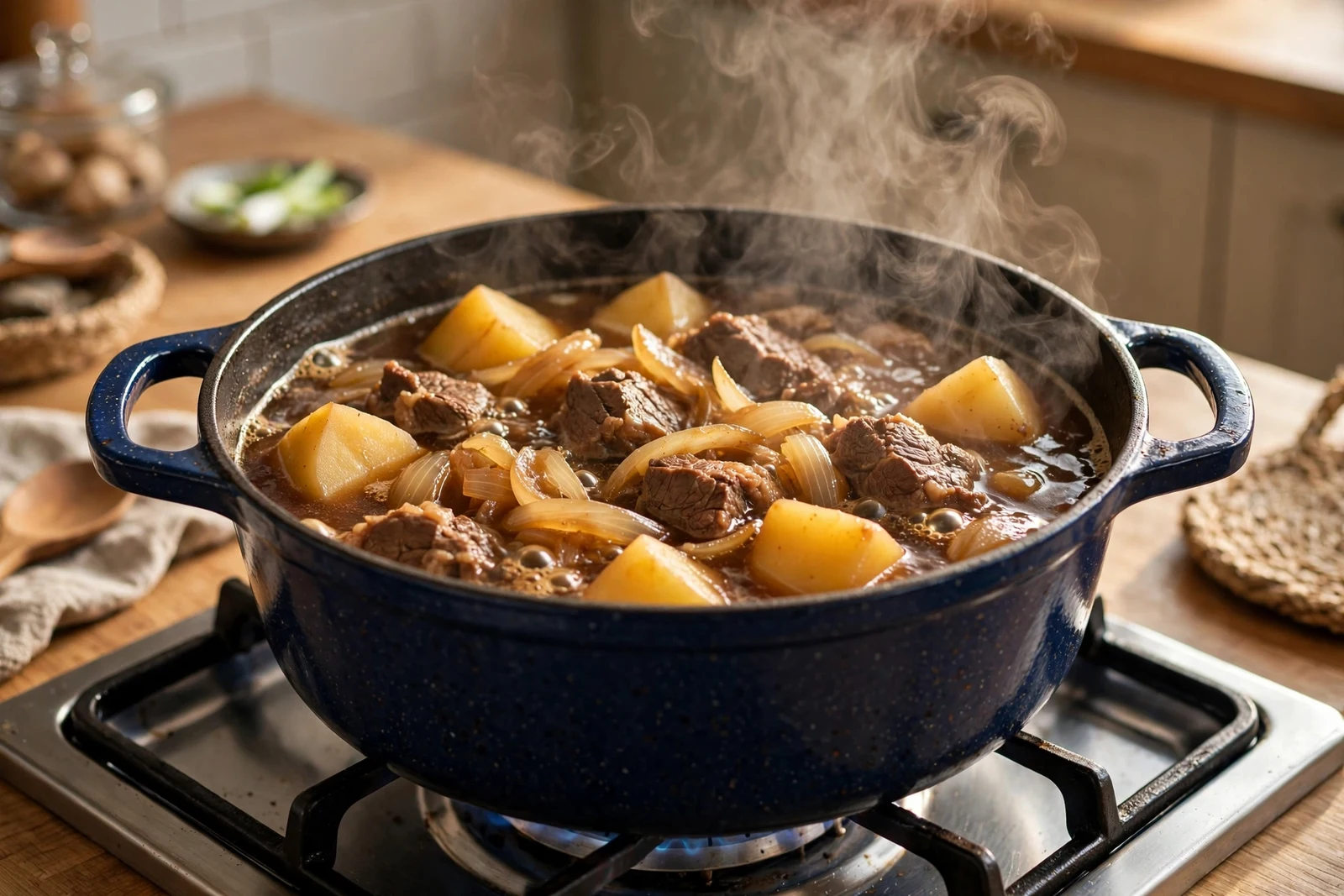
Sake is already halfway to mirin, since both are fermented rice wines. A dry sake just misses mirin’s sweetness, so the fix is small: for every tablespoon of mirin, use a tablespoon of sake and stir in a quarter teaspoon of sugar. It works in simmered dishes like Nikujaga: Japanese Simmered Meat and Potatoes, where the liquid cooks long enough for the sugar to melt into the broth, and in Chawanmushi, where mirin’s sweetness balances the savory egg custard. This is the swap I reach for most in my own kitchen.
One label check: if your bottle says “cooking sake,” look at the ingredients. Many cooking sakes sold outside Japan contain added salt, which changes the seasoning of the whole dish. With those, cut other salt by a pinch and taste before serving.
Alcohol-free options that work
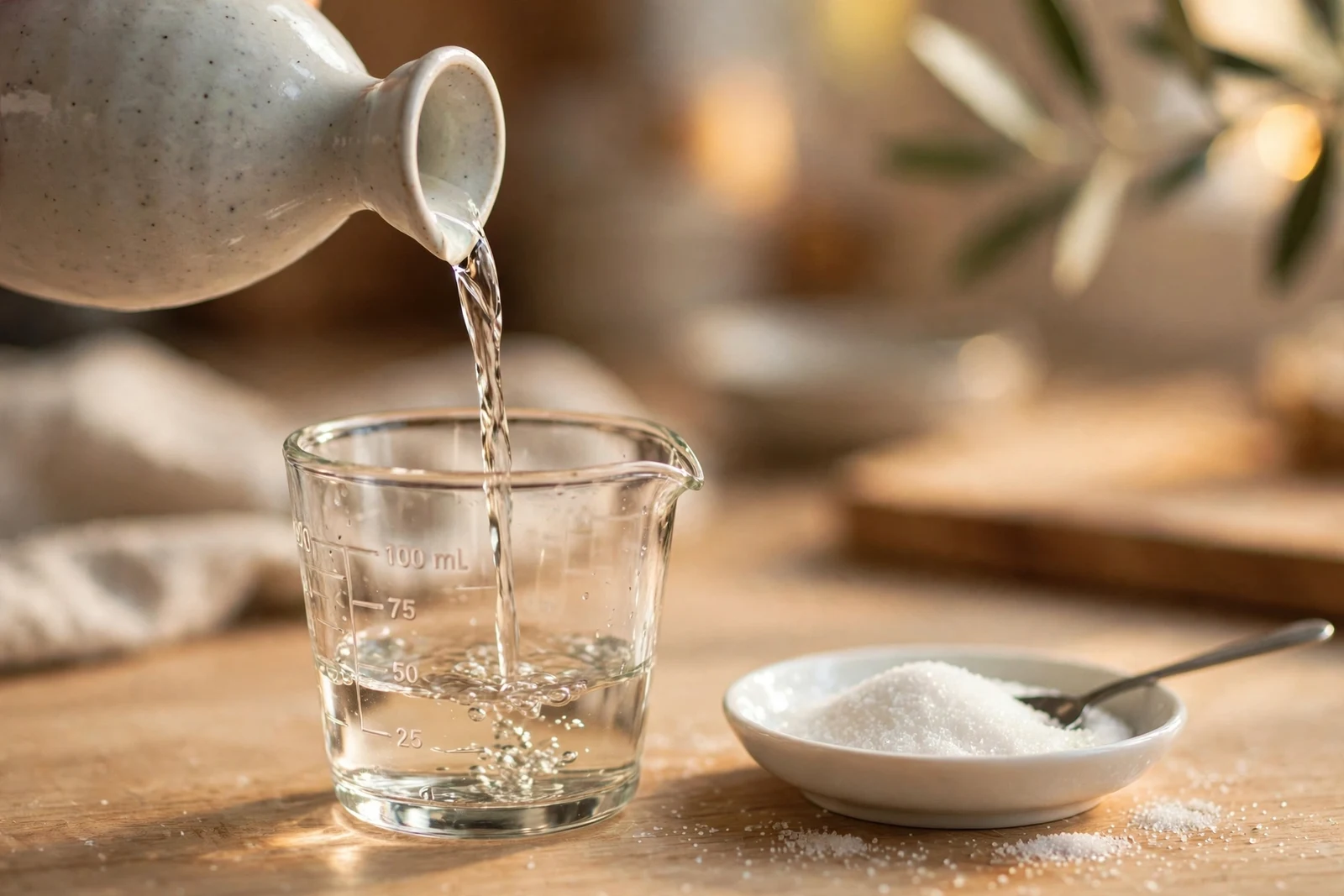
Two swaps contain no alcohol at all: white grape juice with a splash of rice vinegar, or warm water (or dashi) with sugar dissolved in it. Both give you the sweetness; neither gives you the mellowing effect alcohol has on meat and fish, and neither glazes quite like mirin. In a strongly seasoned sauce, a teriyaki with plenty of soy and ginger, the difference is small. In a delicate simmered dish, you will notice the missing depth.
If the goal is simply a dry pantry rather than avoiding alcohol, aji-mirin is the easiest middle ground. It holds under 1% alcohol, sits on most Asian grocery shelves, and swaps 1:1 with no measuring. And remember that mirin’s alcohol mostly cooks off in simmered dishes anyway, so the alcohol-free question matters most for uncooked dressings and for households avoiding it entirely.
Where real mirin still wins
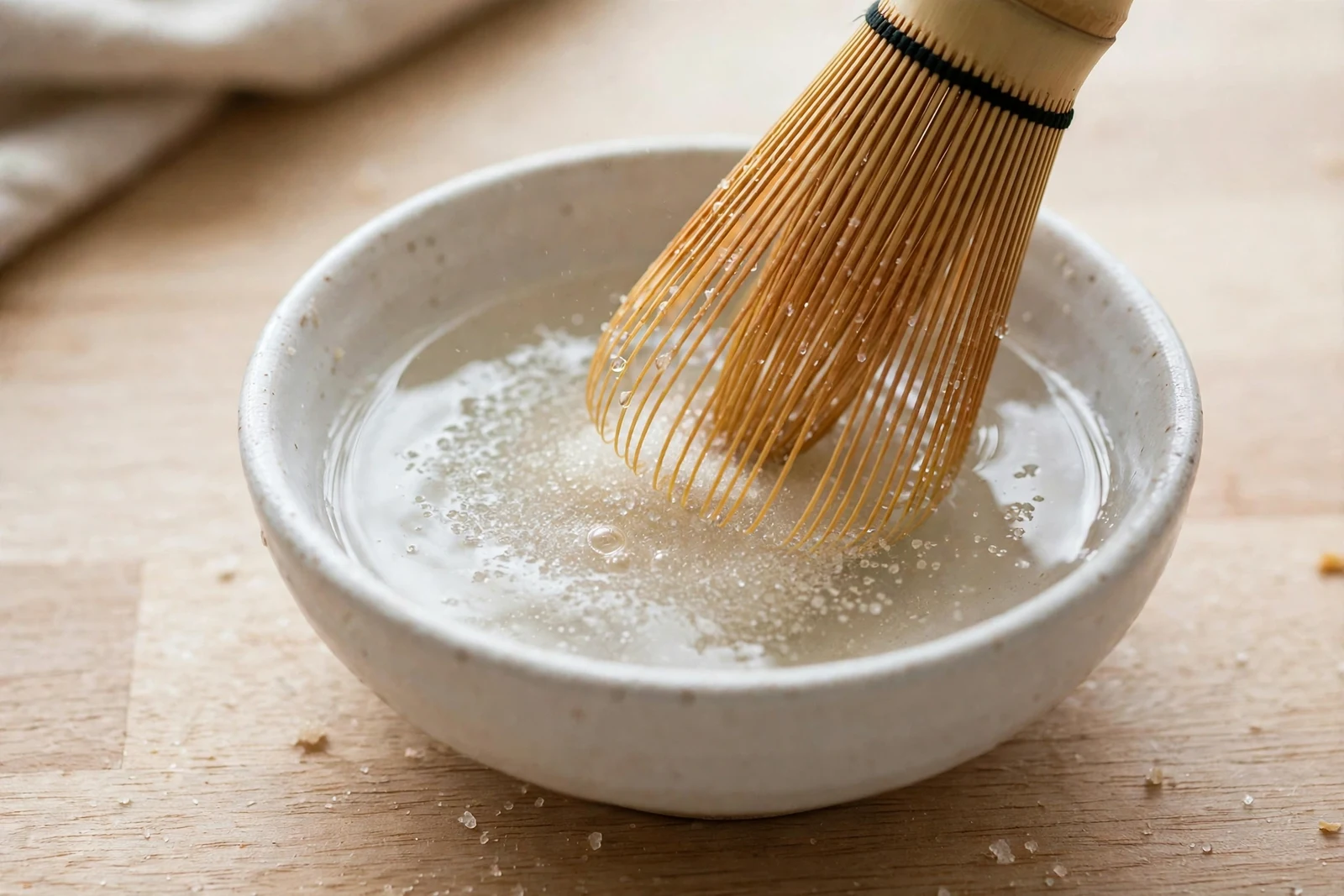
Two spots where I don’t substitute. First, the glaze: mirin’s sugars give teriyaki its mirror-like sheen, and swaps built on wine or vinegar never shine quite the same. Second, tamagoyaki: the rolled omelet cooks fast over direct heat, so a substitute has no time to melt into the background, and the edges of the flavor show. My Tamagoyaki: Japanese Rolled Omelet is the one recipe I always make with real hon-mirin. A small bottle from an Asian grocery store costs little and keeps for months in the pantry, so when a recipe leans on mirin for looks as much as taste, buy the real thing.
A worked example: teriyaki sauce without mirin
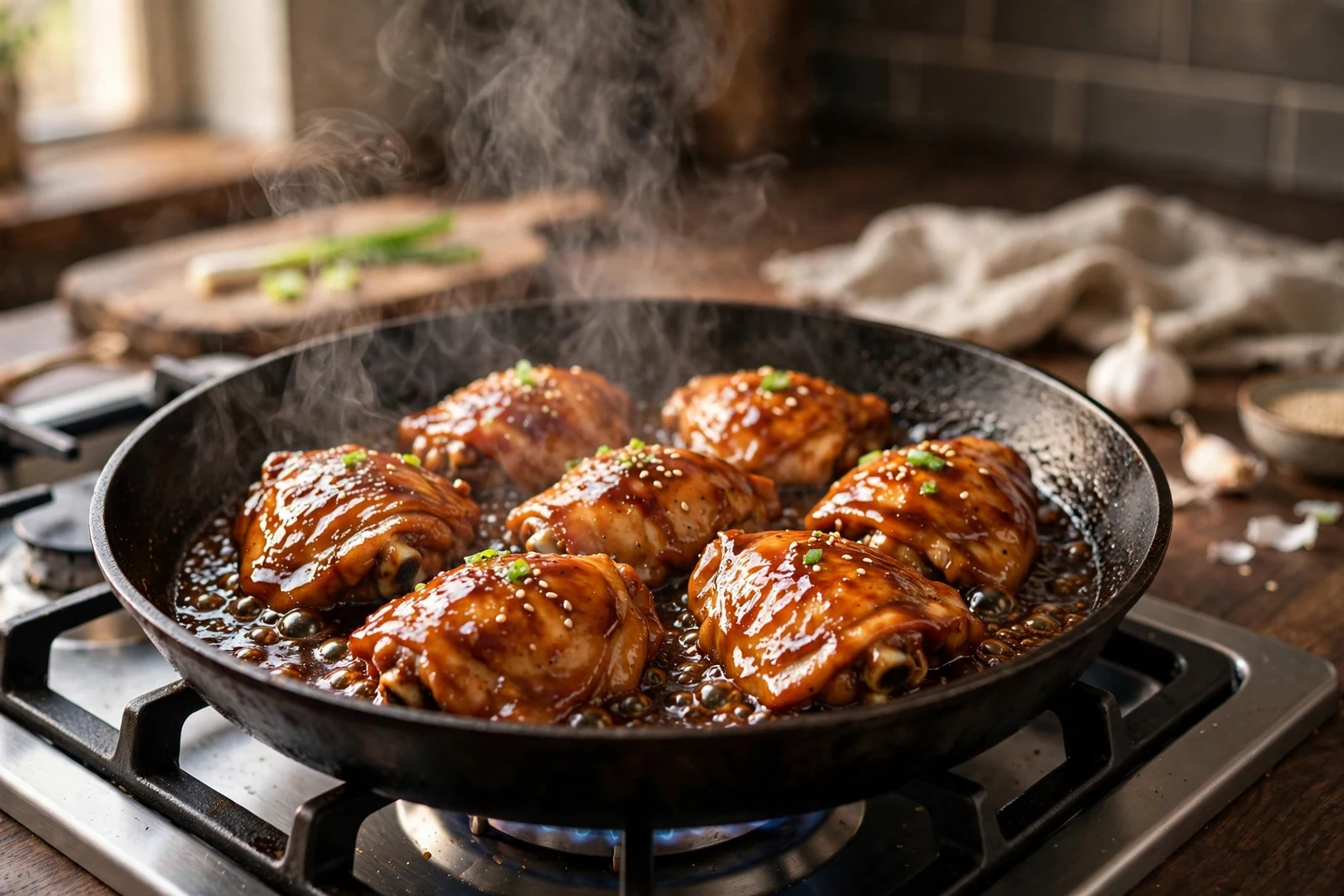
Take a simple teriyaki for two: 3 tablespoons soy sauce, 2 tablespoons mirin, 1 tablespoon sake, and 1 teaspoon sugar, simmered until it coats a spoon. Out of mirin? Replace those 2 tablespoons of mirin with 2 tablespoons of dry sherry plus 1/2 teaspoon of sugar. Give the sauce an extra minute or two of simmering, since sherry’s stronger flavor needs a little more time to settle in, then taste before glazing the chicken. The sheen will be a touch duller than with hon-mirin, but the salty-sweet balance lands right where it should.
More Japanese recipes
- Nikujaga: Japanese Simmered Meat and Potatoes, a simmered dish where the sake-and-sugar swap does its best work
- Tamagoyaki: Japanese Rolled Omelet, the one recipe I always make with real mirin
- Chawanmushi, delicate enough that the choice of swap matters
- How to Make Dashi from Scratch, the base sitting under half of these dishes