Chili Crisp vs Chili Oil: What’s the Difference?
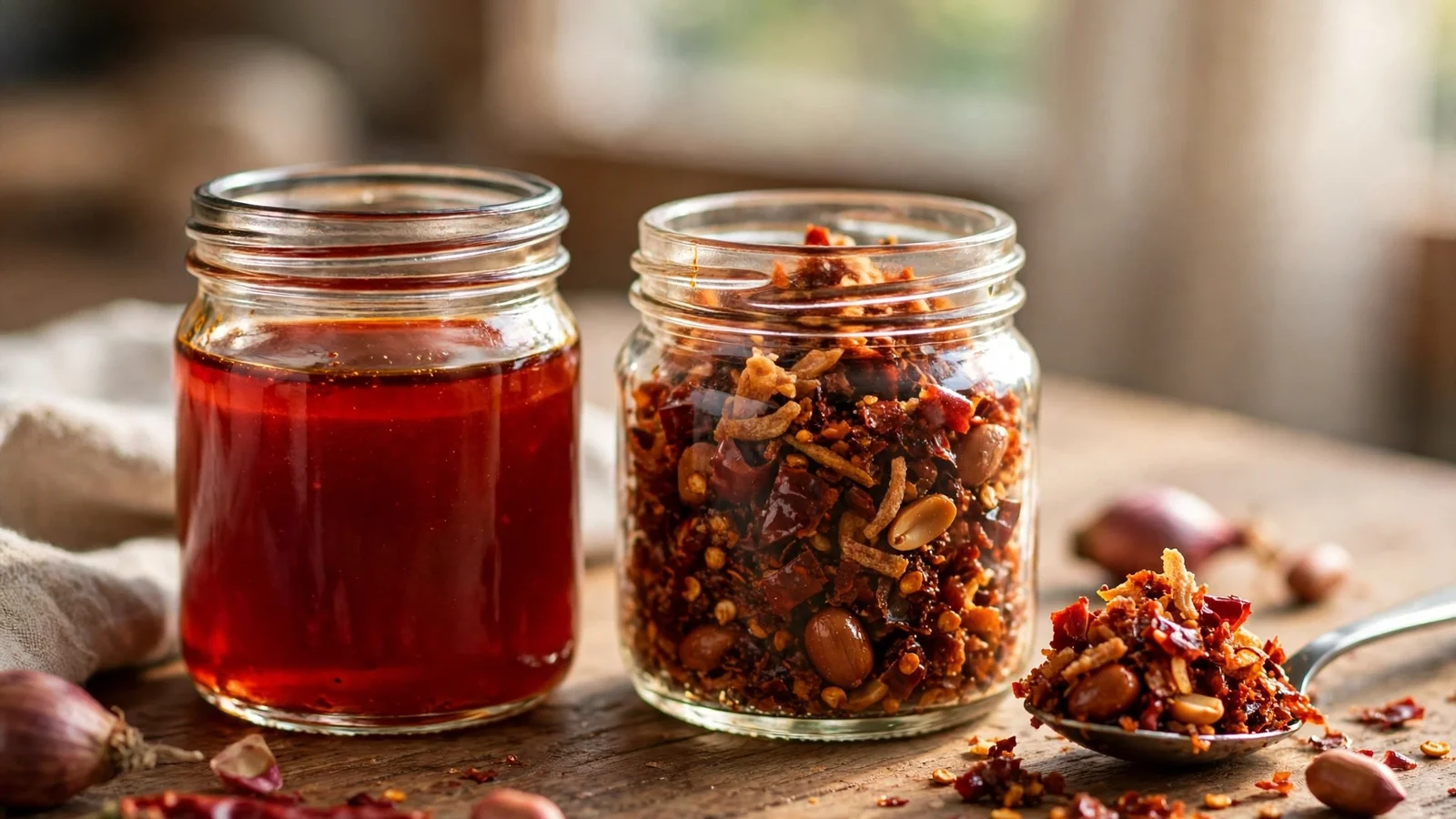
Chili crisp vs chili oil compared: texture, ingredients, heat, and the dishes each one suits best — plus how to buy, store, and substitute one for the other.

Chili crisp vs chili oil compared: texture, ingredients, heat, and the dishes each one suits best — plus how to buy, store, and substitute one for the other.
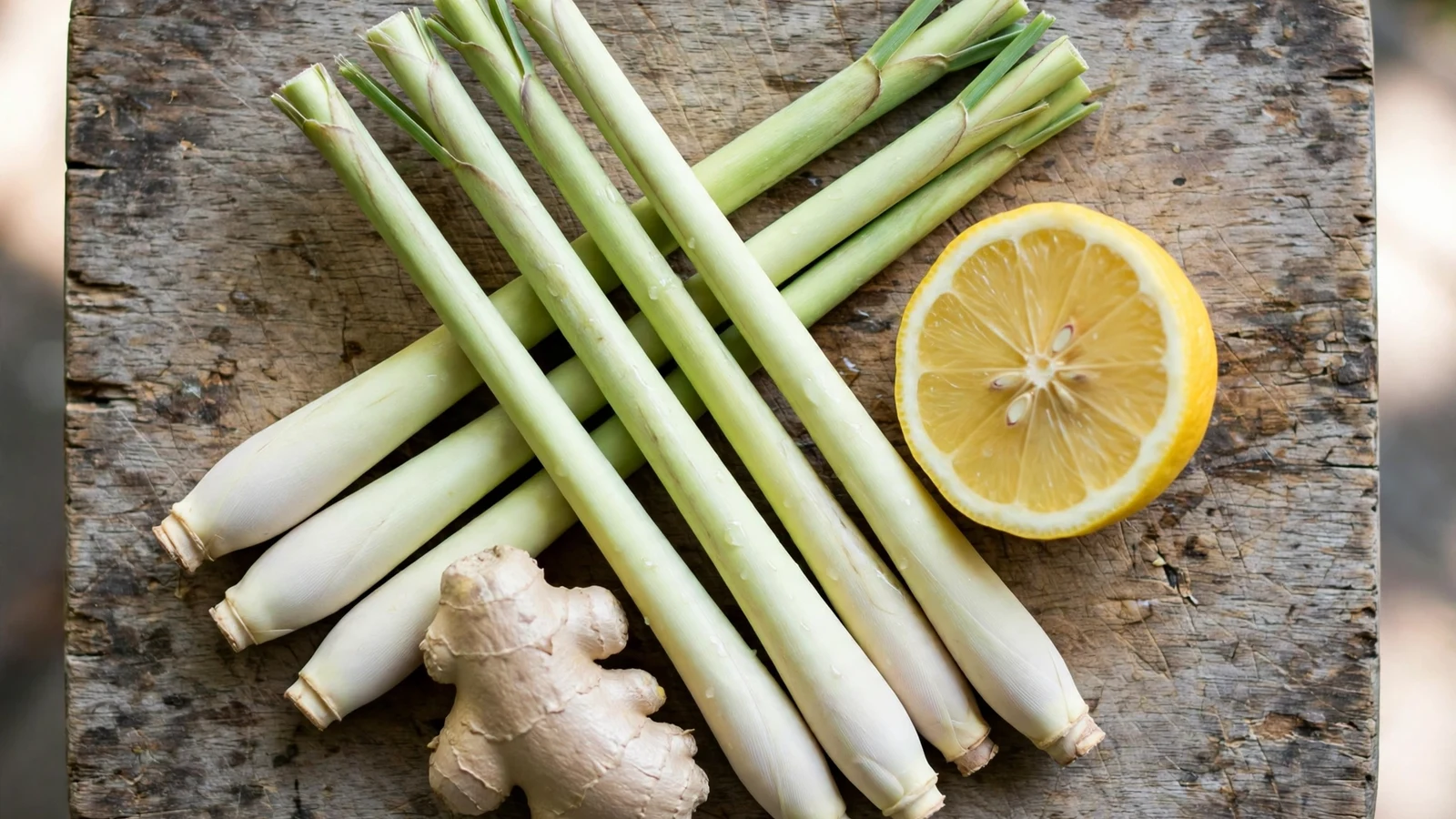
No lemongrass? These 7 substitutes — lemon zest with ginger, frozen stalks, lemongrass paste — cover soups, curries, and marinades, with swap ratios for each.
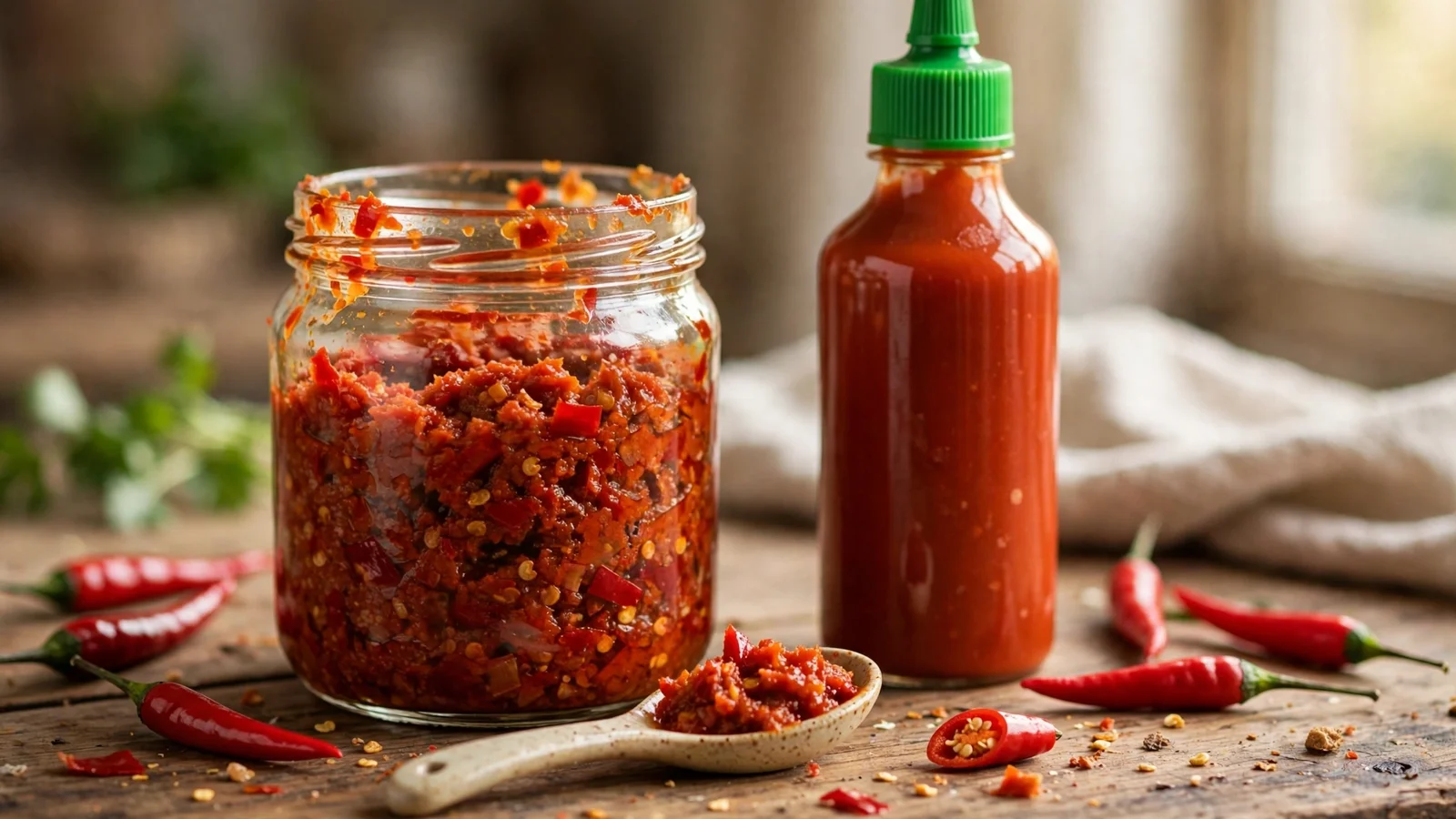
Sambal oelek vs sriracha compared: heat, texture, ingredients, and best uses for stir-fries, dipping, and soup. Which chili sauce to stock and how to swap them.
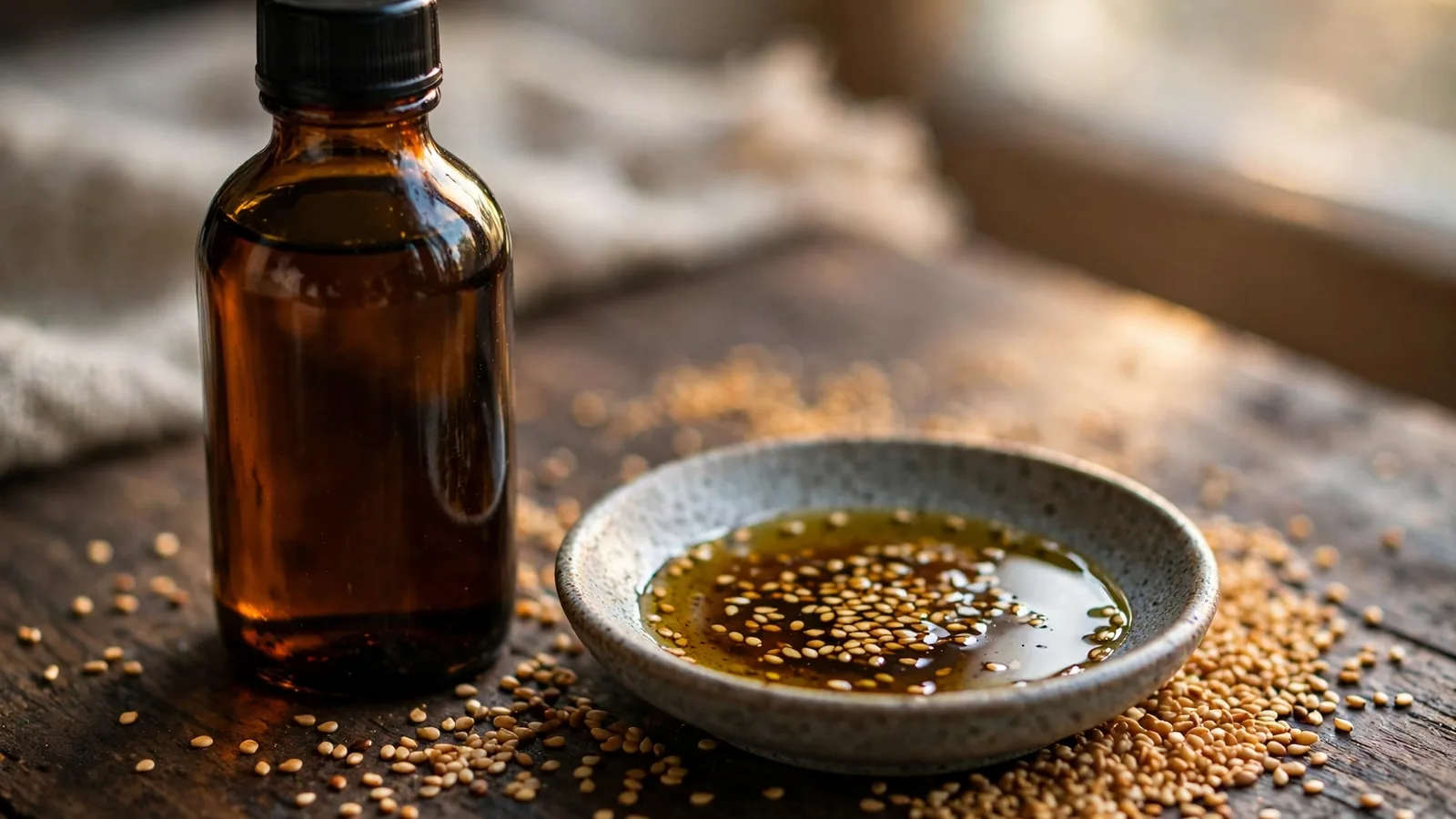
Toasted sesame oil burns fast and turns bitter in a hot wok. Learn when to add it, how much to use, and how to store it so every drizzle stays nutty and fresh.
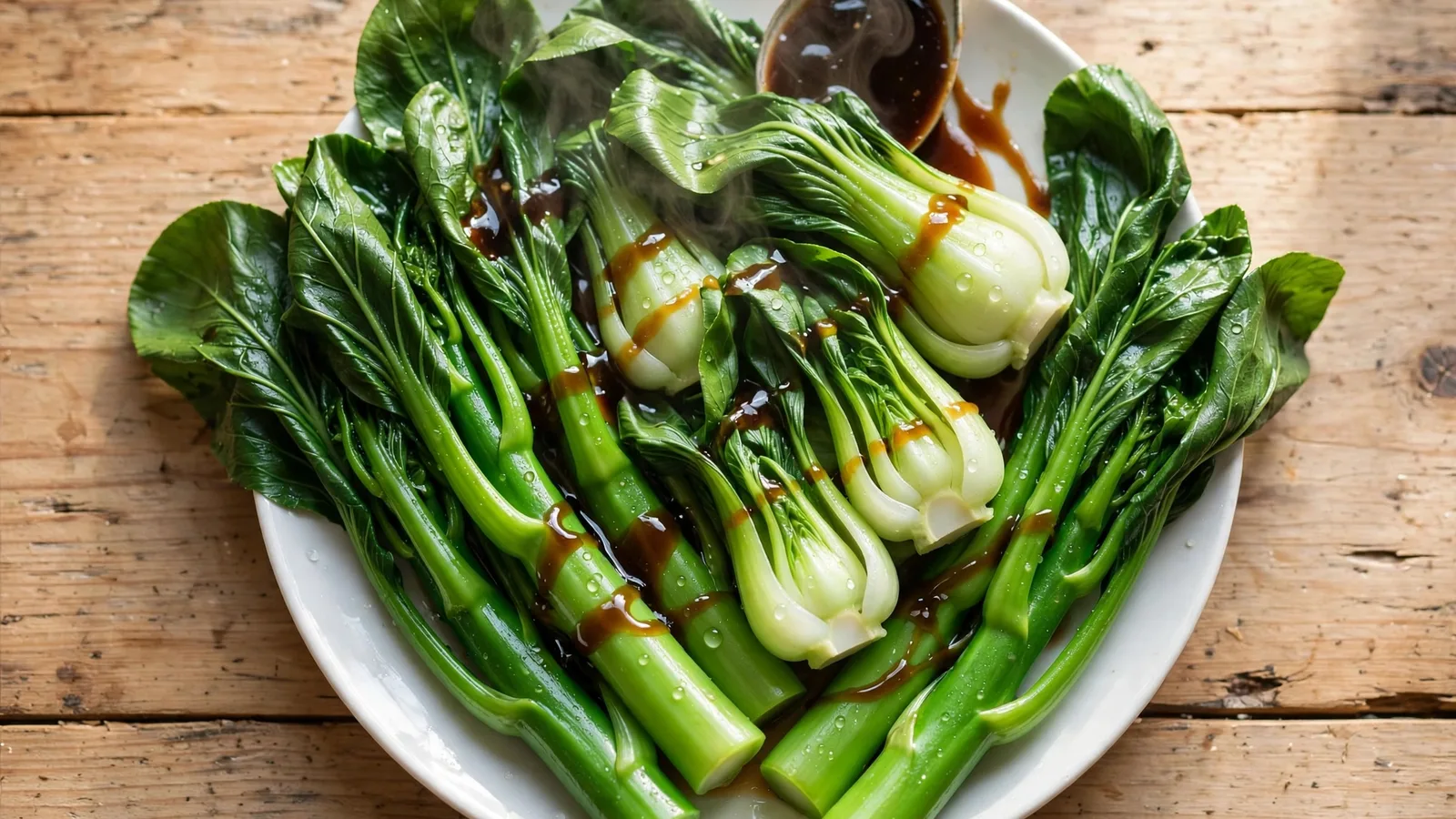
Blanch bok choy, gai lan, and yu choy so they stay bright green and crisp: salted water ratios, timing by stem thickness, ice bath, and three easy finishes.
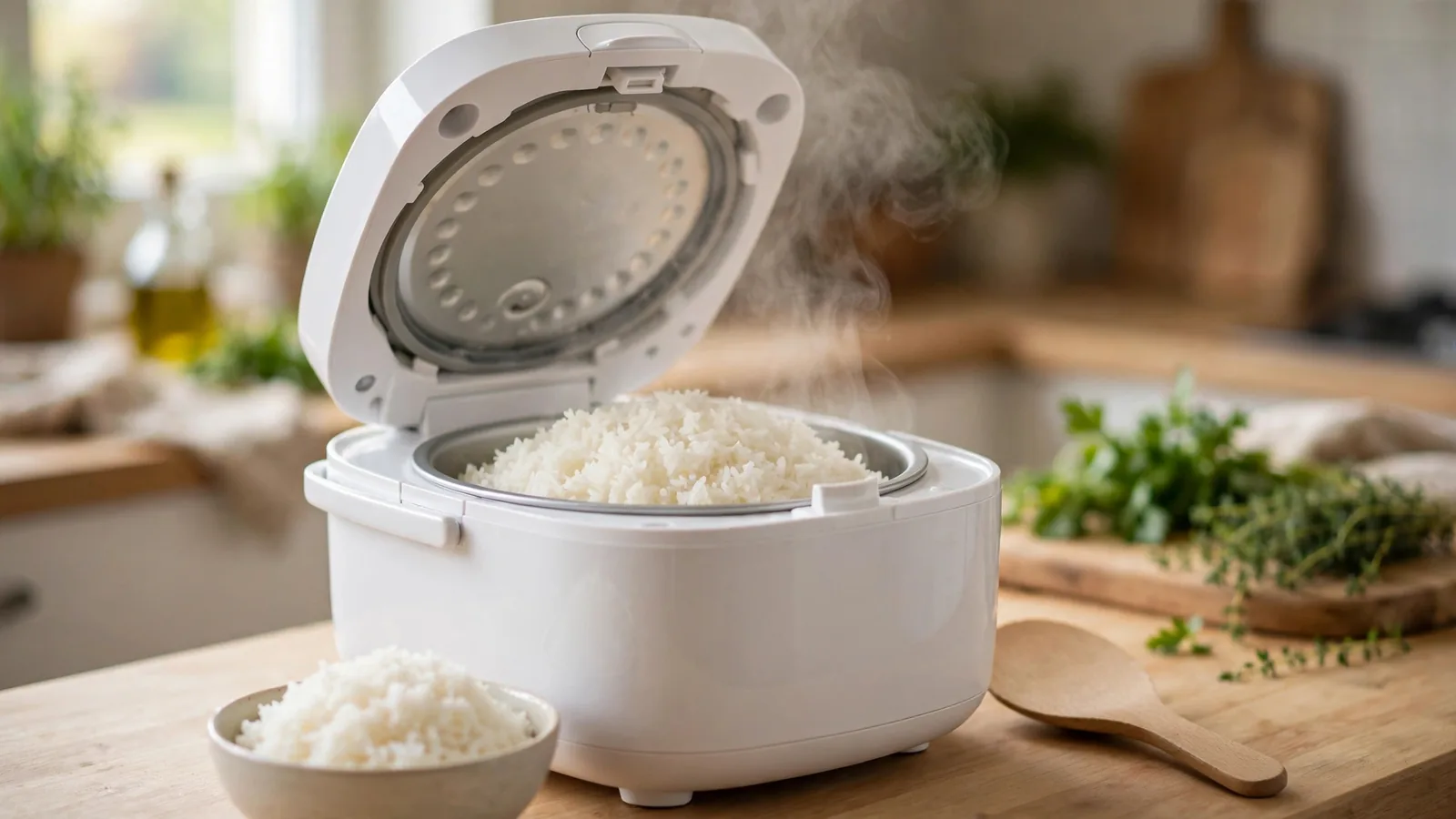
Choose a rice cooker for jasmine, sticky, and short-grain rice: how Asian cup sizes work, micom vs basic vs induction, and which features are worth paying for.
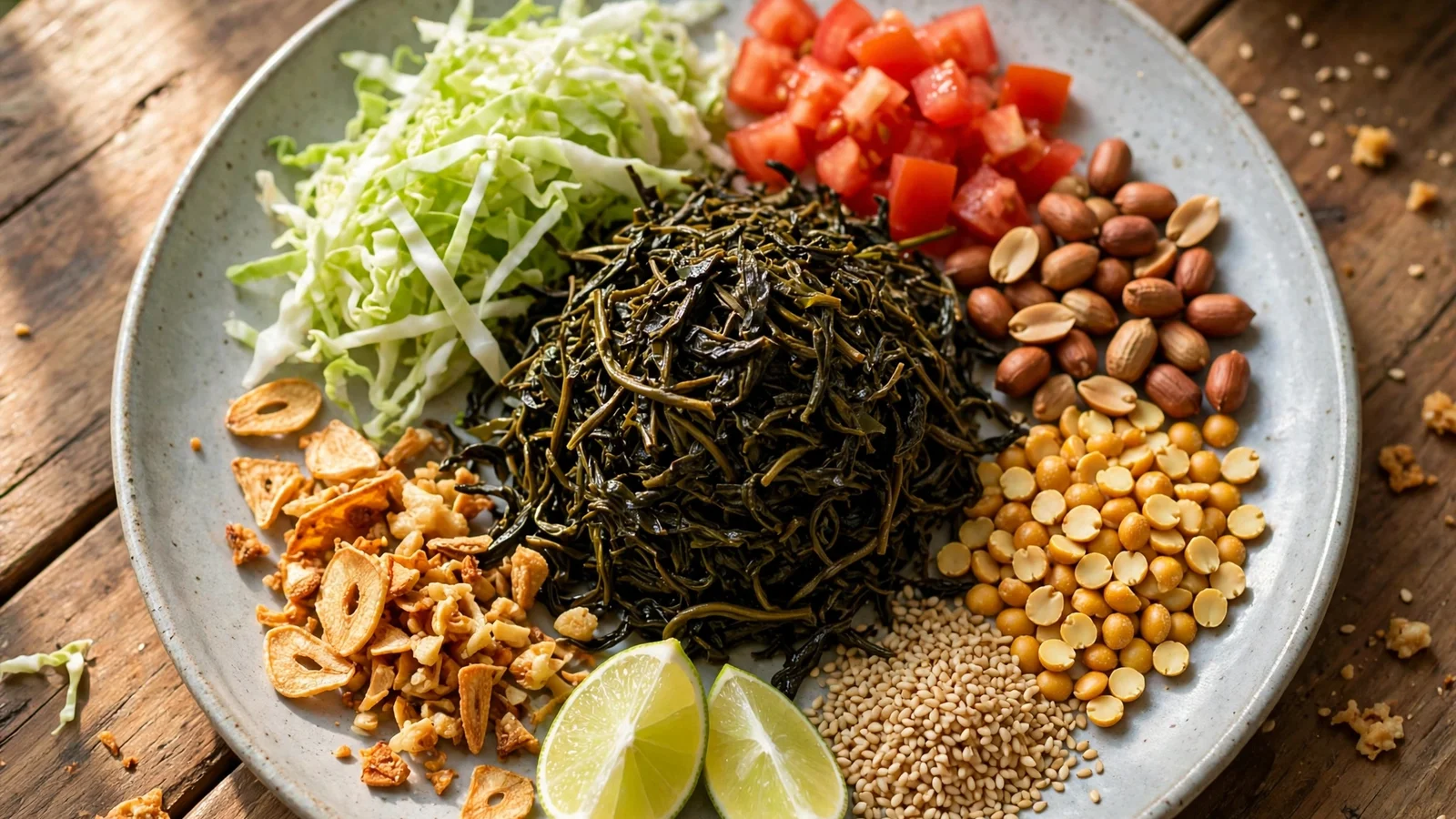
Burmese tea leaf salad: fermented tea leaves tossed with cabbage, tomato, peanuts, sesame, and garlic oil for a crunchy, tangy, umami-rich plate at home.
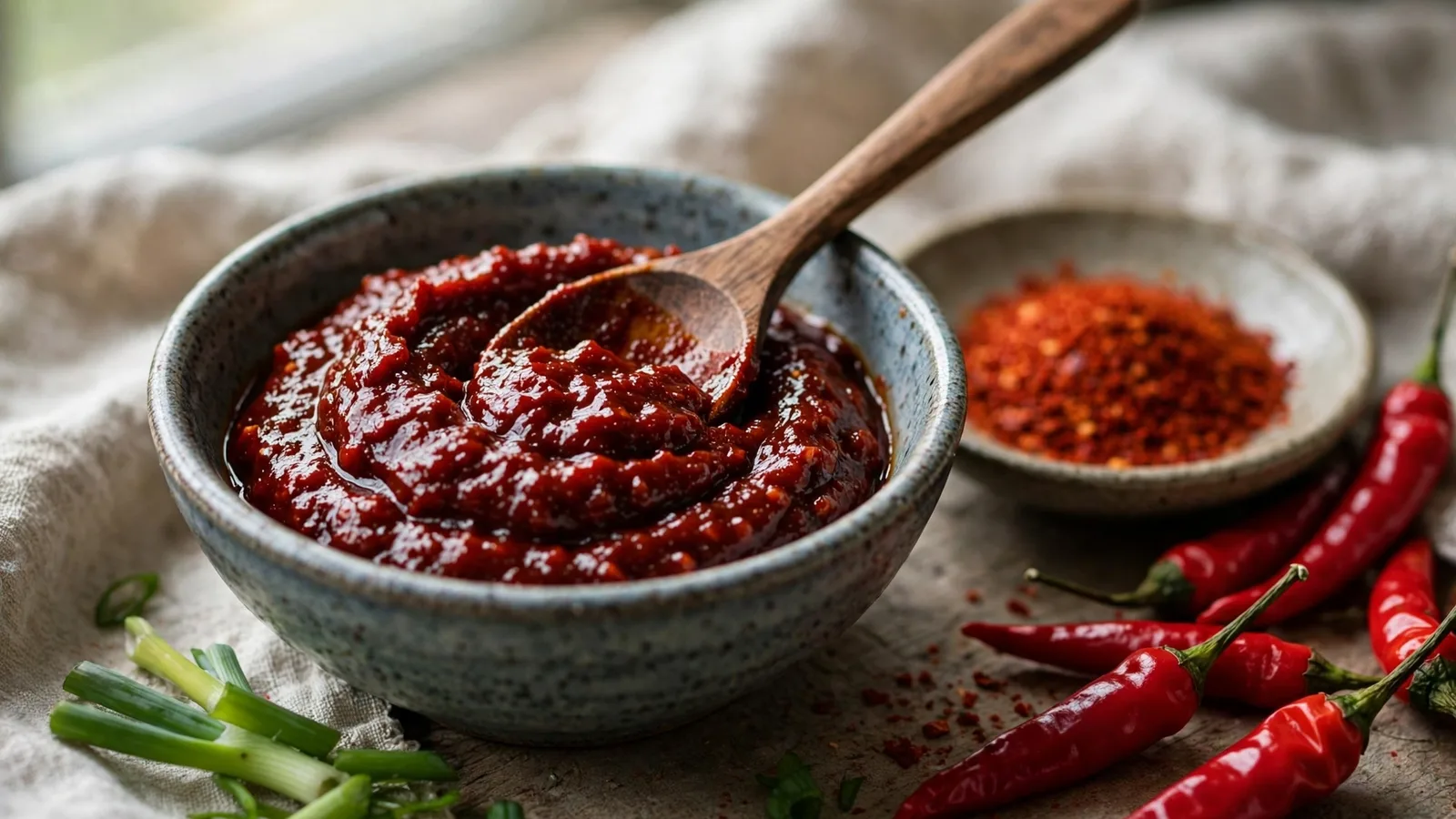
Out of gochujang? Find the best substitute for bibimbap, stews, and marinades, with ratios for spicy, mild, and non-spicy swaps that still taste balanced.
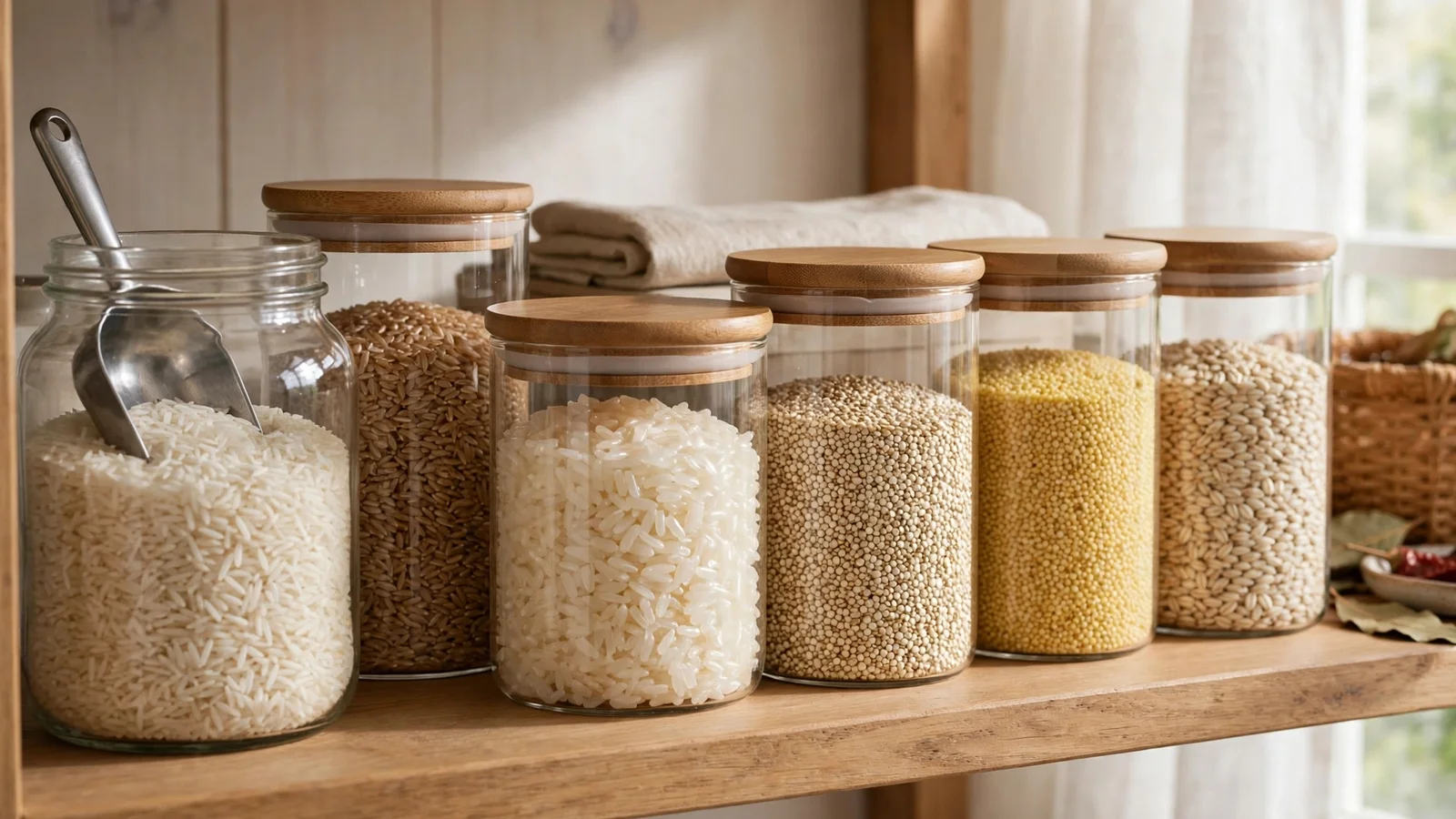
Learn how to store rice and grains so they stay fresh and pest-free: best containers, pantry rules, fridge and freezer tips, and real shelf life by type.
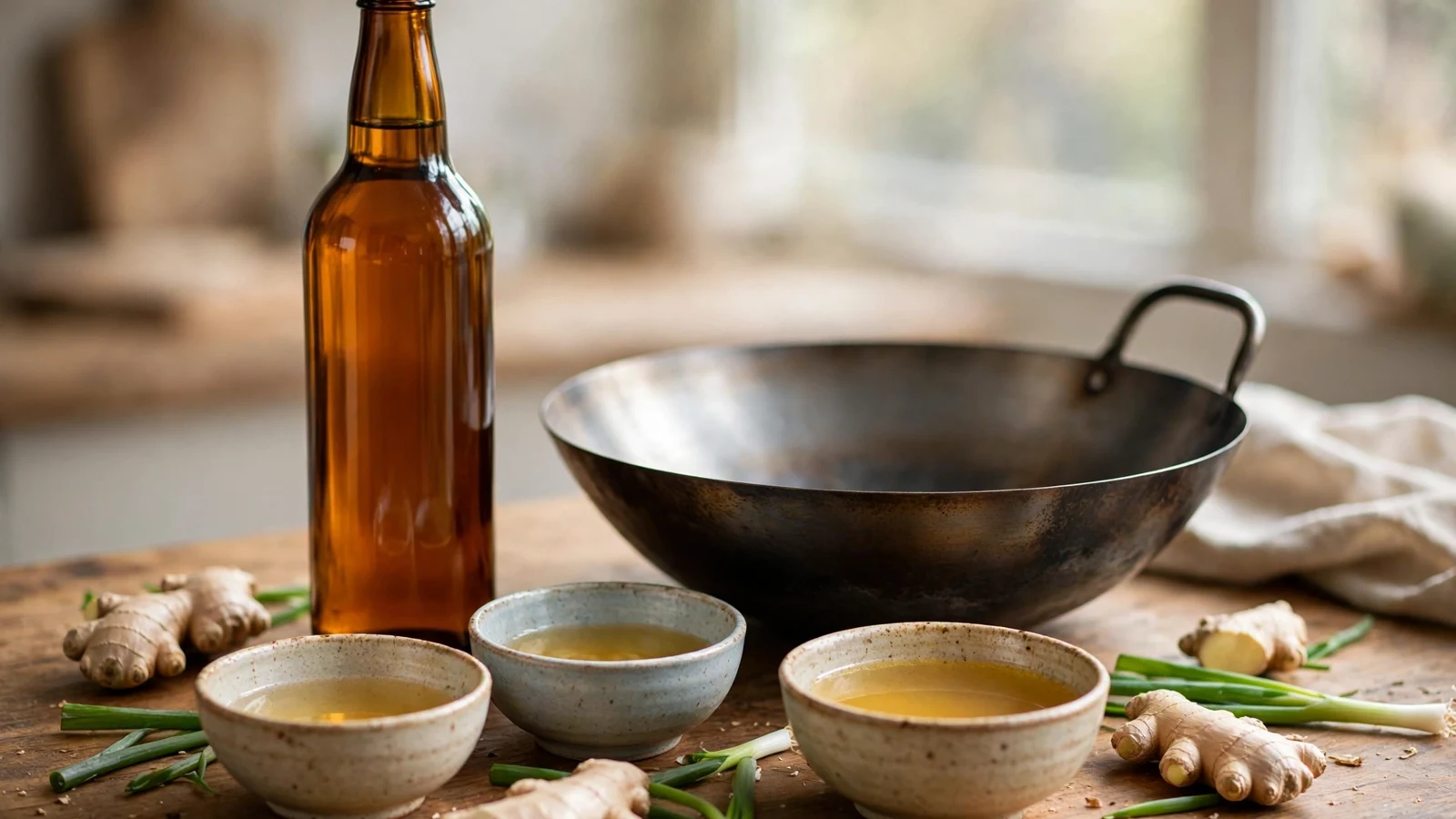
Out of Shaoxing wine? Compare 7 substitutes — dry sherry, mirin, sake, broth and more — with exact ratios for stir-fries, marinades and dumpling fillings.